

 |
|
|
|||
Our Pages
ABOUT CONSTITUTIONAL MEDICINE
|
What is it?
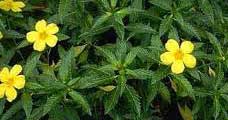
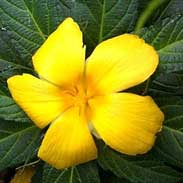
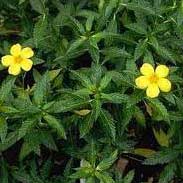
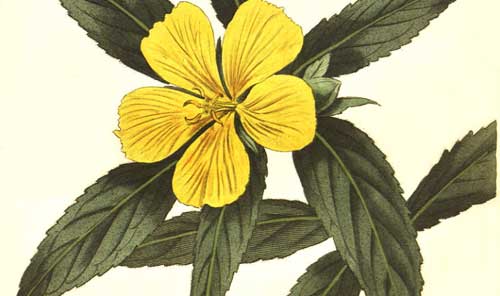
The pleasant smelling and tasting leaves and stems of Damiana, a long-lived shrub that grows up to about 2 meters in height and favours hot and humid parts of the world (it is native to Central America).
One of the botanical names for Damiana; Turnera aphrodisiaca gives away its traditional use. Damiana has been considered to be a potent sexual tonic for many centuries. It is thought to mimic the action of testosterone and to “provide a generally stimulating and enhancing influence on those functions that relate to the reproductive system' Simon Mills). Damiana also has a reputation as being a tonic for the nervous system, particularly of benefit when people are tired or depressed. It is widely drunk as a tea in Latin America and Mexico with early documented use by the Mayan people where it is seen as a pleasant, stimulating beverage without the side effects of tea or coffee. King's Dispensatory writes 'Damiana has been eulogized for its positive aphrodisiac effects, acting energetically upon the genito-urinary organs of both sexes removing impotence in the one, and frigidity in the other, whether due to abuses or age. Upon the system at large, it exerts a tonic influence, and is useful in some cases of chronic cystic and renal catarrh. It relieves irritation of the urinary mucous membranes, improves digestion, and overcomes constipation in some instances. In respiratory disorders, it may be employed to relieve irritation and cough, and, by its tonic properties to relieve excess secretions' TJ Lyle writes 'it is a stimulating, toning nervine. The Mexicans drink of it freely to enable them to endure hardships and long journeys and to protect them from disease. It slowly but thoroughly stimulates the brain, spinal cord and the sympathetic nervous system, and is very valuable in debilitated conditions of the nervous system; in nervous prostration, paralysis and general debility. In such conditions we usually find an impaired digestion and a more or less impaired condition of the genito-urinary organs. This agent in such cases assists digestion, relieves constipation and stimulates the pelvic organs. In cases of sexual debility and impotency, spermatorrhoea, prostatic troubles, enuresis, cystic catarrh, it slowly but positively relieves constipation, increases digestive powers, strengthens the nerves and improves the general health' The British Herbal Pharmacopoeia (BHP) describes the actions of Damiana as 'antidepressant, thymoleptic (mood-modifying), reputed to be aphrodisiac, mild purgative, stomachic. It says it is indicated for 'depression, nervous dyspepsia, atonic constipation, coital inadequacy' and specifically indicated 'for anxiety neurosis with a predominant sexual factor'. The BHP suggests combining it with Oatstraw, Kola nut, Skullcap and/or Hops in nerve diseases and recommends a dose of 2-4 grams by infusion and the tincture at 1:5 in 45% ethanol at a dose of 2-4 mls daily. Thomas Bartram writes that the actions of Damiana include 'aphrodisiac, antidepressant, diuretic, stomachic, thymoleptic, stimulating tonic to the central nervous system and reproductive organs. He suggests uses for it including 'to enhance sexual performance, impotence, frigidity, sterility, prostatitis, physical weakness and nervous exhaustion, depression & anxiety states. He says it combines well 'with Skullcap & Oats for senile dementia and feeble constitution'. Bartram suggests doses of a tsp of the herb to a cup of boiling water or half to 1 tsp of the tincture.
Damiana has not had any clinical studies on humans to assess its effects (what we are interested in proving is rather difficult to measure at the best of times) but nevertheless there have still been some intriguing laboratory tests. ~ Damiana was tested for its relative capacity to compete with estradiol and progesterone binding to intracellular receptors for progesterone (PR) and estradiol (ER) in intact human breast cancer cells. Damiana was one of the six highest PR-binding herbs and spices commonly consumed. Some herbs and spices high in phytoestrogens and phytoprogestins were further tested for bioactivity based on their ability to regulate cell growth rate in ER (+) and ER (-) breast cancer cell lines and to induce or inhibit the synthesis of alkaline phosphatase, an end product of progesterone action, in PR (+) cells. In general, PR-binding extracts were neutral or antagonists (Zava DT, Dollbaum CM, Blen M. Estrogen and progestin bioactivity of foods, herbs, and spices. Proc Soc Exp Biol Med 1998;217:369-78) ~ An extract of Damiana induced relaxation in smooth muscle from the corpus cavernosum - the part of the penis involved in erectile function (Hnatyszyn O et al: From the International Congress & 48th Meeting of the Society for Medicinal Plant Research & International Society for Ethnopharmacology, Zurich, Sept 3-7, 2000, abstract P2A/39) ~ Oral administration of Damiana (0.25-1 ml/kg) demonstrated a stimulating effect on the sexual behaviour of male rats. Copulatory performance was improved in sexually sluggish or impotent animals but not in potent animals (Arletti R, Benelli A, Cavazzuti E, et al. Stimulating property of Turnera diffusa and Pfaffia paniculata extracts on the sexual-behavior of male rats. Psychopharmacology (Berl) 1999;143:15-9) ~ The authors, titles and the 'where-and-when' published of about 20 further studies and articles on Damiana are listed in a PDF found here
For some years now, against this proven and safe way of herbalism, there has been a rising tide of excessive caution and scare-mongering in many parts of the world. The same authorities that, not so long ago, decried herbal medicines as ineffectual, have now taken up a different adversarial position; that they are dangerous substances that should only be prescribed by Doctors, who of course have zero training in them. Unfortunately, the same unnecessary fear and worry has crept into many natural health websites and popular publications on herbs. Herbs that we have safely used for thousands of years, that have no reports of adverse reactions in the medical literature despite widespread use by millions of people, are suddenly described as contraindicated because of something that should have been seen as completely unimportant, or at the utmost a merely theoretical concern, such as a laboratory study on one of the herb's constituents to use an all too common example. I wonder sometimes if the writers of such articles feel that the herb will be more deserving of respect if it is thought to be a little bit dangerous, in other words more like a drug than something that has simply come out of the earth and been used by ordinary people for generations beyond count. There is just so much misinformation about herbal medicine on the internet now. Ludicrous claims and cautions abound in equal measure; it seems like one group are trying to make money out of the public whilst the other are busily trying to scare them off. I have to believe that the kind of reader who takes the time to read pages on herbs that are as extensive as this one is much less likely to be swayed by marketers or misinformers. I hope that you will keep your wits about you if you get conflicting opinions from people who have never really got to know these herbs, who have never worked with them, or learned how to use them safely and effectively. I want to remind you that the reason that herbs can never be patented and owned by any individual or corporation is because they are, and always will be, the People's medicine. They belong to all of us and it is my great hope in sharing this work that you will learn how to use them wisely for yourself, and the people you care for. Be safe, but do not be afraid.
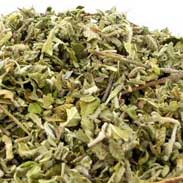
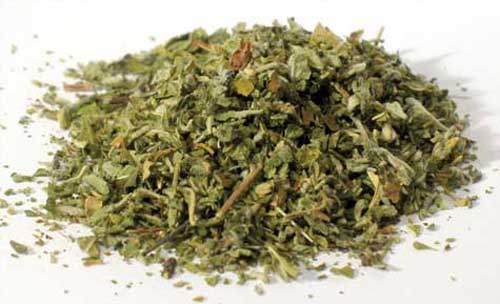
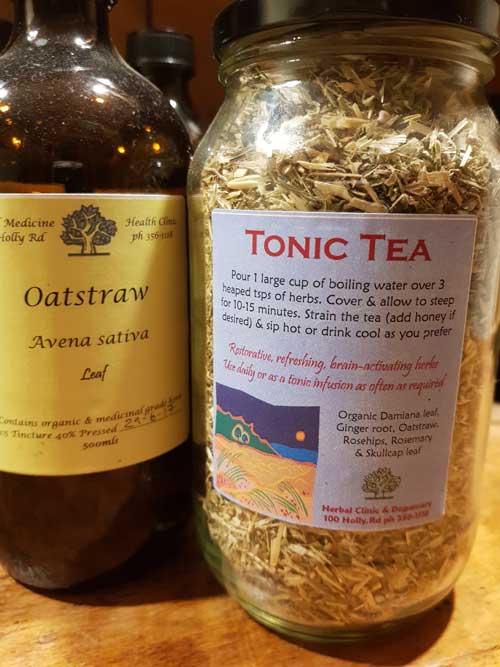
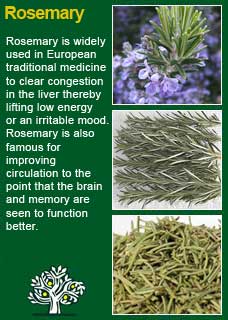
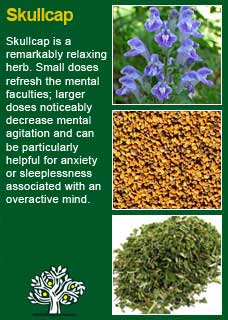
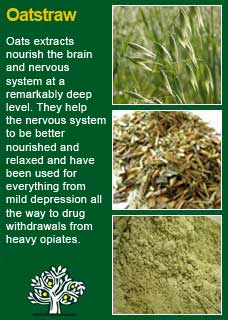
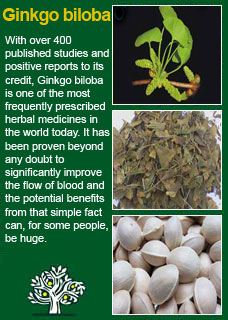
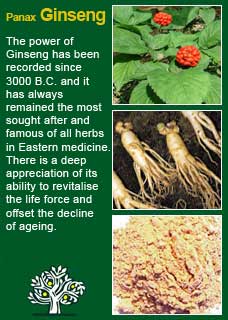
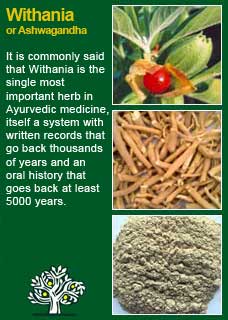
With respect to its traditional reputation I personally feel that Damiana is an invigorating and uplifting herb that I think is better described as a tonic than an aphrodisiac. In fact, I often use it as as small part of a formula for people who are run-down and low in energy. A good way to better understand the 'action' of Damiana is to take a small dose of its tincture or a cup of its tea and, with a quiet and attentive mind, observe for yourself the affects you feel within a short time of taking in the herb. When I have done this for myself or with students and colleagues there is a palpable relaxing 'warmth' and feeling of well-being that comes from the herb. Damiana is a feel-good medicine that, at least from my own experience, is a most valuable aid to people who have lost some of their natural spark and vitality. I personally do not think it has so much of some natural Viagra-type chemistry but rather it is this kindly tonic action on the nerves that is the core reason for its old reputation. Further to that, if you would like to learn more about the ancient art of pulse testing, a simple but powerful way to ask the intuitive intelligence of the body for its responses to a herb by feeling the pulse whilst giving a tiny dose by mouth, read here At least some of the active ingredients that make Damiana work come from the essential oils that create its distinctive and intriguing smell and you can tell if you have good quality Damiana simply by smelling it. This is an entirely subjective impression, but I feel that you can tell if someone will respond especially well to it if they really like that particular smell. It's unlikely to elicit a negative response but it seems that, at least for those to whom it is best suited, the fragrance is highly agreeable. Likewise, Damiana imparts a particular taste and smell to teas or formulae when mixed with other herbs as well. We have a tonic tea that we make in the clinic that has proved highly popular with our patients but at one time we were unable to procure Damiana from any supplier for some months and it was notable to all how less pleasant the tea was without it. I use plenty of Damiana in both tea and tincture form. For a tea, one tsp of Damiana to one cup of hot water is more than enough. A light and fluffy leaf when dried, a heaped tsp equates to just over 1 gram but really, I think it may be better to take even smaller amounts. Paradoxically, and especially with herbs that work on the nervous system or the hormones, less is often more. Damiana pairs quite perfectly with another marvellous nervine; Oatstraw, but it also blends beautifully with other such tonic herbs such as Rosemary, Withania, Skullcap, Oatstraw, Ginkgo, Bacopa and Ginseng. As mentioned just above, a mixture that we call 'Tonic tea' has been well received and much appreciated by many. The recipe and instructions for how to make it are found here
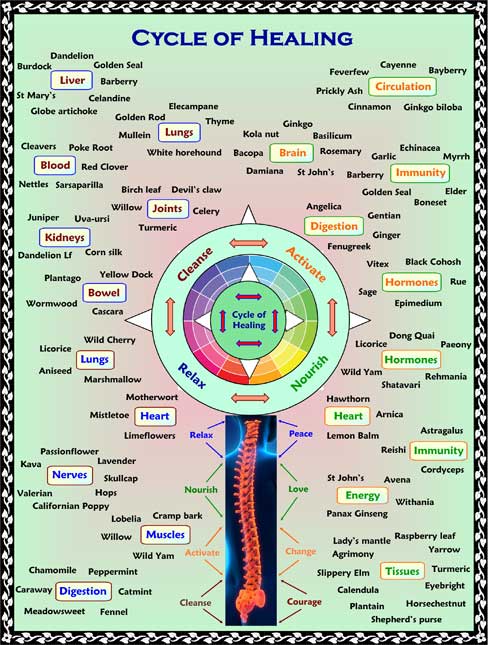
Much of the information here about the traditional uses of Damiana is consistent with the model of thinking whereby one may treat problem A with plant B. There is value in this approach, especially in how it helps us pass on useful knowledge to one another, but it falls short in one vital area; and that is that people are not all cut from the same cloth! Something that works brilliantly for one person may do less for another -- why is this? Part of the reason is that people vary in their constitutions as to whether they are either hotter or cooler and, at the same time, either dryer or damper. This useful and rather fascinating subject is introduced further here Another big part of using the right herb when it is most needed comes from understanding the need to treat what is going wrong for the person that had led up to their getting a health condition. In this light, Damiana can particularly offer its benefits when an activation is needed in the 'cycle of healing', more about this here
Please understand that I cannot advise you, including on products or dosage, without seeing you in person in my clinic but for ideas
on how you might find a good herbalist in your area read here |
|


 TOP
TOP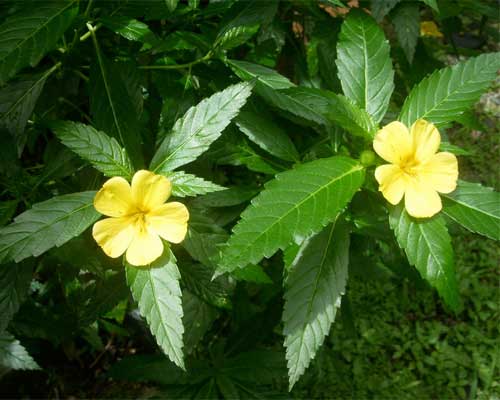
|


© 2011 R.J.Whelan Ltd