

 |
|
|
|||
Our Pages
ABOUT CONSTITUTIONAL MEDICINE
|
What is it?
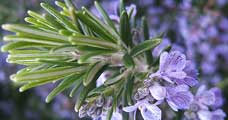
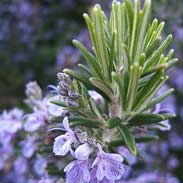
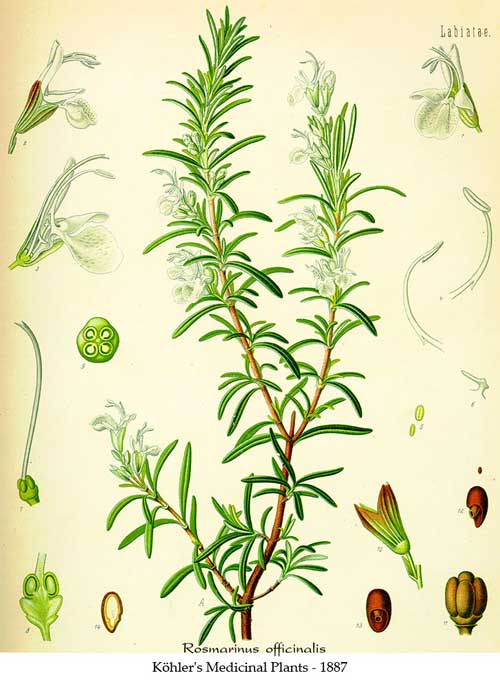
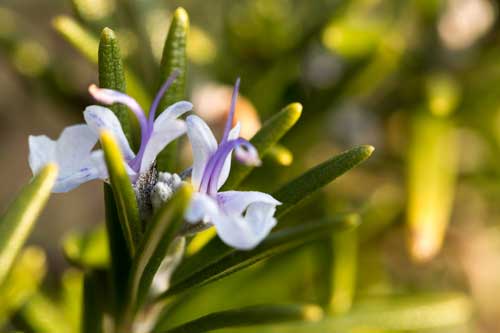
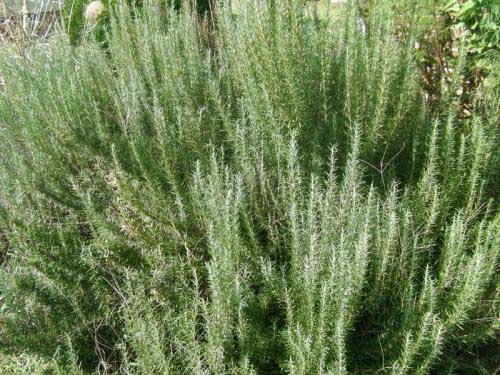
Rosemary is the familiar, long lived shrub with thin olive-green leaves and pretty blue flowers that dot the plant for much of the year. ‘Rosemary’ translates to the ‘dew of the sea’ (ros means dew and marinus means sea in Latin).
Rosemary has a tremendous variety of folk uses and mythology associated with it and a number of snippets from folk lore have been included on this page. It has particularly been strongly connected to memory and remembrance since ancient times. The main historical medicinal uses of Rosemary have been as a tonic to the brain and as a gently cleansing liver medicine. Andrew Chevallier writes 'Rosemary is a well-known and greatly valued herb that is native to Southern Europe. It has been used since antiquity to improve and strengthen the memory. To this day it is burned in the homes of students in Greece who are about to take exams. Rosemary has a longstanding reputation as a tonic, invigorating herb, imparting a zest for life that is to some degree reflected in its distinctive aromatic taste' Chinese physicians used Rosemary for headaches, indigestion, insomnia and malaria. Rosemary is also much used in European traditional medicine to strengthen the heart and blood vessels and there is a keen appreciation in this old culture of Rosemary being a herb that clears congestion in the liver and gall-bladder thereby lifting the mood and resolving 'liverishness' Rudolph Weiss says 'Rosemary has a general tonic effect on the circulation and nervous system, especially the vascular nerves; it is therefore effective in treating all chronic circulatory debilities, including hypotension (low blood pressure). It is particularly effective in asthenic young adults who are pale and lack physical stamina...' Rosemary can be used for treatment of general and post-infectious debility in older patients'. The British Herbal Pharmacopoeia (BHP) describes Rosemary's actions as carminative, spasmolytic, thymoleptic (mood-modifying) sedative, diuretic, antimicrobial. Topically: rubefacient, mild analgesic & parasiticide and says it is indicated for dyspepsia associated with psychogenic tension, headaches either migrainous or hypertensive and topically for myalgia, sciatica, intercostal neuralgia and specifically indicated for depressive states with general debility and indications of cardiovascular weakness. The BHP suggests a dose of 2-4 gms or by infusion and recommends a tincture dose of 2-4mls up to 3 times a day. Thomas Bartram writes that Rosemary's actions include 'antibacterial, anti-depressant, antiseptic, circulatory tonic, diffusive stimulant, diuretic, sedative, mild substitute for benzodiazepine drugs. Used in European pharmacy to strengthen the heart and allay arteriosclerosis' and he suggests its uses can include 'migraine headaches, or those from high blood pressure. Headaches of gastric origin or emotional upset, psychogenic depression, cardiac debility, giddiness, hyperactivity, tremor of the limbs, flitting pains from joint to joint. To strengthen blood vessels by decreasing capillary fragility and permeability'
~ Rosemary was an essential part of the apothecary's repertoire during the Renaissance. The French regarding it as a cure-all, Hippocrates, Galen, and Dioscorides all prescribed rosemary for liver problems. ~ In the middle ages if a young person tapped another with a sprig of Rosemary in blossom then the couple would supposedly fall in love. ~ Placed under the pillow Rosemary was believed to repel bad dreams, planted around the house it was believed to ward of witches. ~ Rosemary, native of southern Europe, was brought to America by the first colonists, and stored carefully indoors during the cold winters. ~ Greek students would braid Rosemary into their hair to help them with their exams. Also known as the herb of remembrance, it was placed on the graves of English heroes ~ When Queen Elizabeth of Hungary was paralysed in 1235 and none of the court physicians were able to help her a local hermit of some healing fame cured her by rubbing Rosemary liniment on her limbs. One can only imagine whether he was asked to take a bath before he begun his massage. According to legend his medicine had been made by soaking a pound of Rosemary in a gallon of wine. This recipe became the basis for a Rosemary/Wine combination that became known as Queen of Hungary's Water and was very popular for centuries as a treatment for all manner of problems of the skin and joints. ~ According to legend the Rosemary bush was considered a sacred symbol of Christ and that it might grow in height up to the age of 33 years but then would never grow taller, only wider. ~ In some historical notes on Rosemary we come across the notion that 'Rosemary will not grow well unless where the mistress is master, and so touchy are some of the lords of creation on this point that we have more than once had reason to suspect them of privately injuring a growing Rosemary in order to destroy this evidence of their want of authority' (M. Grieve). ~ Rosemary had such a reputation for strengthening the memory that it became the emblem of fidelity for lovers, used at weddings, but also at funerals, for decking churches and banquet halls at festivals and as incense in religious ceremonies and in magical spells.
Andrew Chevallier writes 'A 2011 study published in Phytotherapy Research found that Rosemary exerted anti-inflammatory and protective effects on the lining of the blood vessels in young adults. Such research supports the understanding that many active compounds in Rosemary support a healthy circulation. A small 2006 clinical trial in Germany concluded (in line with traditional usage) that Rosemary raised blood pressure in people suffering from low blood pressure. All those taking Rosemary reported feeling better at the end of the trial' ~ A controlled and randomised study involving the inhalation of Rosemary oil for 3 minutes by volunteers who were simultaneously monitored by EEG (electro-encephalographic recording) showed a significant change to their alpha and beta wave brain activity indicating increased alertness. The subjects reported feeling more relaxed and alert and were shown to be faster (but not more accurate) at solving maths problems compared with baseline results (Diego MA et al: Int J Neurosci 96(3-4):217-224, 1998) ~ An uncontrolled trial showed that gargling Rosemary oil in water (in a 1:10 proportion of oil to water) inhibited the growth of the fungi Candida albicans of 12 patients who were unresponsive to the drug Nystatin (Durakovic Z & S: J Indian Med Assoc 72(7):175-176,1979) ~ As Rosemary is so widely used in the food industry it has been subjected to considerable research into its properties as a preservative. Compared with 15 other well-known food preservatives Rosemary was found to have the strongest anti-oxidant activity by far. The unusually effective ability to stop fats from going rancid has led to an association to why this might be how Rosemary has gained a reputation to help prevent hardening of the arteries in humans (Halliwell B et al: Food Chem Toxicol 33(7):601-617,1995) ~ The authors, titles and the 'where-and-when' published of over 180 further studies and articles on Rosemary are listed in a PDF found here
It is recommended not to take strong medicinal teas or extracts of Rosemary at the same time as taking iron supplements as studies have shown that it does significantly decrease the absorption of iron (only if taken simultaneously).
For some years now, against this proven and safe way of herbalism, there has been a rising tide of excessive caution and scare-mongering in many parts of the world. The same authorities that, not so long ago, decried herbal medicines as ineffectual, have now taken up a different adversarial position; that they are dangerous substances that should only be prescribed by Doctors, who of course have zero training in them. Unfortunately, the same unnecessary fear and worry has crept into many natural health websites and popular publications on herbs. Herbs that we have safely used for thousands of years, that have no reports of adverse reactions in the medical literature despite widespread use by millions of people, are suddenly described as contraindicated because of something that should have been seen as completely unimportant, or at the utmost a merely theoretical concern, such as a laboratory study on one of the herb's constituents to use an all too common example. I wonder sometimes if the writers of such articles feel that the herb will be more deserving of respect if it is thought to be a little bit dangerous, in other words more like a drug than something that has simply come out of the earth and been used by ordinary people for generations beyond count. There is just so much misinformation about herbal medicine on the internet now. Ludicrous claims and cautions abound in equal measure; it seems like one group are trying to make money out of the public whilst the other are busily trying to scare them off. I have to believe that the kind of reader who takes the time to read pages on herbs that are as extensive as this one is much less likely to be swayed by marketers or misinformers. I hope that you will keep your wits about you if you get conflicting opinions from people who have never really got to know these herbs, who have never worked with them, or learned how to use them safely and effectively. I want to remind you that the reason that herbs can never be patented and owned by any individual or corporation is because they are, and always will be, the People's medicine. They belong to all of us and it is my great hope in sharing this work that you will learn how to use them wisely for yourself, and the people you care for. Be safe, but do not be afraid.
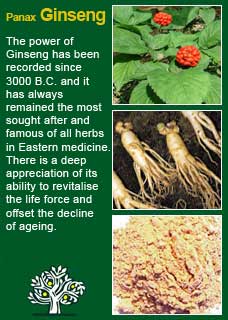
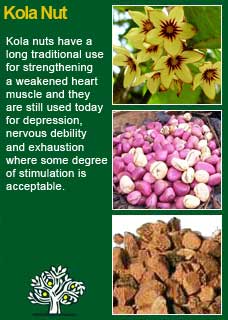
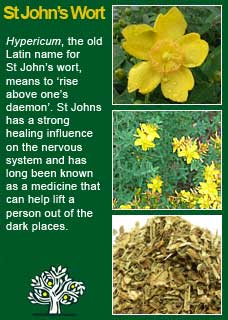
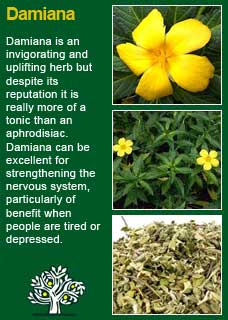
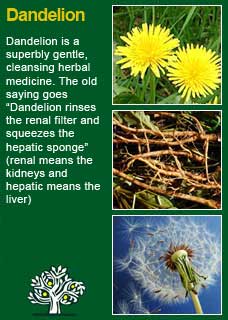
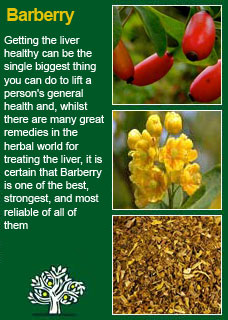
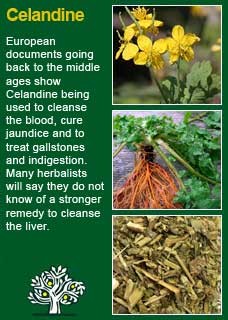
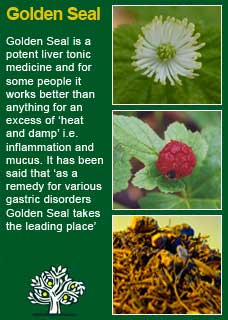
Some recipes are included below that demonstrate how high doses of Rosemary, by itself, can be used to bring about a specific therapeutic response. It is a dynmaic, kind of 'get things done' herb that way. Further to this, it can also be seen that Rosemary has an intense and penetrating potency that, when wishing to use it as an internal medicine, can bring the lesson that 'less is more!' I have personally found that small amounts work just as well as large doses and are much more likely to be well tolerated, especially when there is a need to use the herb for a while. Rosemary works very well in combination with other herbs when you want to give it internally. To give some range and scale for the kind of 'less is more' dosage I am talking about, in practice this means I will typically use only about 10 mls in a 200ml formula, maybe 20 mls at the most. At a dose of 5mls, twice a day, this would equate to a dose of Rosemary of between 10 drops (if there was 10ml in 200mls) or up to 20 drops a day (if the formula contained 20mls or Rosemary in a 200ml formula). This would honestly be ample for most people to receive its benefits. Rosemary has formidable 'activating' properties and small frequent doses can see things rapidly improve when it is the right herb for the right person. For example, someone who has the classic combination of stuffy head symptoms (which they might describe having brain fog, or a poor memory) a thick and coated tongue, a languid full pulse and signs of poor circulation. Another time to think of Rosemary is the person who has weak circulation and low blood pressure. You might have to actually read their blood pressure to know that it was low, but a person can be alerted to its possibility by the classic sign of getting dizzy when getting up quickly. Other symptoms might include feeling tired and listless, or suffering from dizziness or instability... ...or a headache or a migraine, the historical recommendations to use Rosemary where there is poor circulation to the head make a lot of sense when you get into feeling the 'action' of the herb and, if you who are reading this are studying herbal medicine or would just like to know this old plant ally at a much deeper level for your own reasons then I warmly encourage you to take a small dose of Rosemary tincture, just a few drops, or a tsp of its dried leaves in a cup of tea, or even just take a small sprig and hold it in your mouth for a minute and then, with a quiet and attentive mind, observe for yourself how this herb makes you feel. This old way of 'experiential learning' can be the best way to appreciate the 'action' of the plant and I think you will soon feel for yourself that it is something of a 'mover and shaker' of a herb. Having done this experiment numerous times on myself, as well as occasionally with colleagues and students, it is quite uncanny how people will feel the herb strongly in their head or their gut but rarely both. It seems to go to where it needs to. Making a closer acquaintance with it in this way will at least likely help you know when you might want to use it for yourself. Further to this, if you would like to learn more about the ancient art of pulse testing, a simple but powerful way to ask the intuitive intelligence of the body for its responses to a herb by feeling the pulse whilst giving a tiny dose by mouth, read here There are some classic methods to use Rosemary by itself described next, but note that it combines extremely well with other brain stimulating herbs such as Panax Ginseng, Kola nut, Damiana, Bacopa and St John's wort, or with herbs such as Dandelion root, Barberry, Celandine and Golden Seal for activating and cleansing the liver.
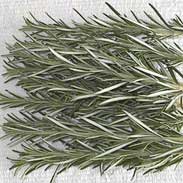
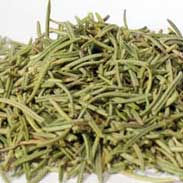
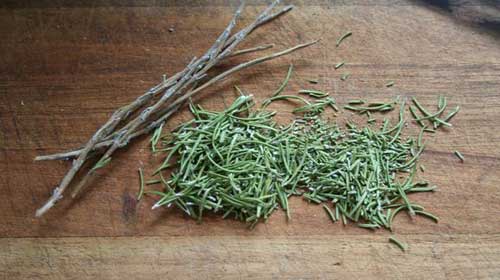
Rosemary hair-oil has been highly rated to improve the health of the scalp and to aid with preventing hair-loss and supporting hair-growth, especially in people with naturally dark hair. The recipe is quite simple and only requires plenty of fresh Rosemary and pure, first-press Olive oil. Take a glass jar, fill it nearly to the top with fresh Rosemary that has been cut up fine on a chopping board, then fill the jar to above the herb with the Olive oil. You will need to use a knitting needle, or a chopstick, or the handle of a wooden spoon to mix the herb into the oil and to allow any air-bubbles to escape. Leave a few minutes before sealing the jar and be aware that, wherever you put it to sit, that some oil may continue to mysteriously leak out of the jar. It will take a week in a warm, dark place to extract the Rosemary, maybe two weeks in a cooler place, but keep it from direct sunlight in any case. When it has steeped for long enough, strain it out through muslin cloth or similar into another jar or bottle. Rubbing a tsp or so of the oil into the hair once or twice a week is the usual dosage. The treatment may need to be maintained for many weeks to see a significant result. Rosemary baths have been very popular in European medicine amongst working people as they are thought to be highly effective for exhaustion and lack of strength. The practice is to take the bath in the mornings on the weekends. There is no reason not to do it in the evening other than that the Rosemary may be too stimulating for some people to take in before bed. A lot of Rosemary is used for the bath and you would have to predict a potent affect from the amount of essential oils that would be absorbed into the skin through this method. Take 50 grams of dried Rosemary; soak in 1 litre of freshly boiled water in a well-covered container for a good 30 minutes. Strain and add to a hot bath which is then soaked in for at least 10 minutes. Even though this it is traditionally done in the morning, it will be wise to rest for at least half an hour after taking the bath. For stiff or aching muscles and/or the sore joints of arthritis or rheumatism, Rosemary liniments have been popular and widely used. The method of preparation is quite simple. Take approximately half a litre, i.e. 500mls, of either 'rubbing alcohol' or if this is not available, any Vodka will do, place in a sealed jar with approximately 50grams of dried Rosemary and steep for one week, shaking the mixture for a few moments each day to remix the contents. After a week, strain the Rosemary liniment out through a muslin cloth or similar into another jar or bottle and rub a small amount into the affected areas as often as needed. To treat infections in the mouth or to cure bad breath the following treatment may be effective.
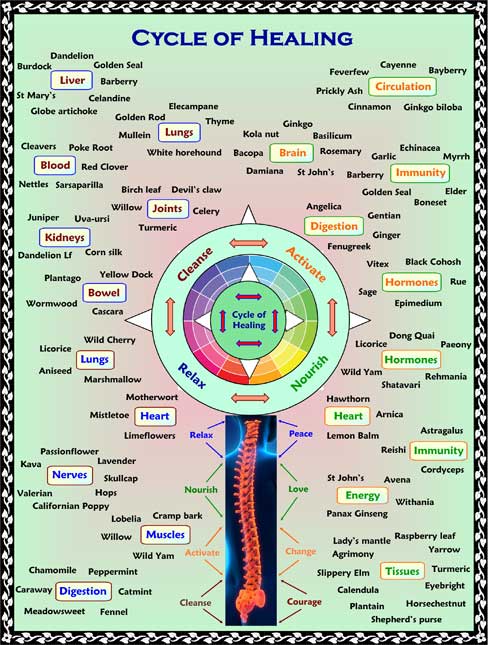
Much of the information here about the traditional uses of Rosemary is consistent with the model of thinking whereby one may treat problem A with plant B. There is value in this approach, especially in how it helps us pass on useful knowledge to one another, but it falls short in one vital area; and that is that people are not all cut from the same cloth! Something that works brilliantly for one person may do less for another -- why is this? Part of the reason is that people vary in their constitutions as to whether they are either hotter or cooler and, at the same time, either dryer or damper. This useful and rather fascinating subject is introduced further here Another big part of using the right herb when it is most needed comes from understanding the need to treat what is going wrong for the person that had led up to their getting a health condition and in this light Rosemary can particularly offer its benefits when an activation is needed in the 'cycle of healing', more about this here
Please understand that I cannot advise you, including on products or dosage, without seeing you in person in my clinic but for ideas
on how you might find a good herbalist in your area read here |
|


 TOP
TOP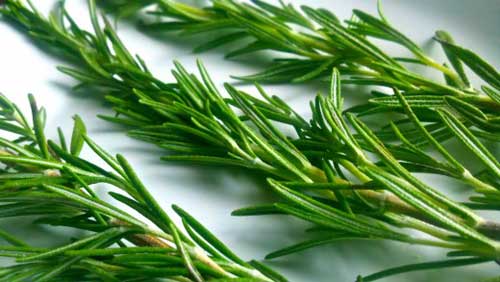
|


© 2011 R.J.Whelan Ltd