

 |
|
|
|||
Our Pages
ABOUT CONSTITUTIONAL MEDICINE
|
What is it?
In herbal medicine, we use the roots of Astragalus, harvested in autumn from 3- 5 year old plants. Astragalus is native to Mongolia and northeast China, it comes to us in narrow sliced strips and you know you have the good stuff when it has a nice yellow tinge to it.
Astragalus was first mentioned in Chinese medicine classic texts over 2000 years ago and it would almost certainly have been in use long before then. The best way to summarise Astragalus would be to say it is a 'tonic', meaning it nourishes and supports the body in its own self-healing process. This is no small thing in chronic illness where our ability to self-repair has fallen short of being able to get us well. The ancient understanding of Astragalus was that it strengthened the ‘Wei Chi” the defensive energy of the body. We use a different language when we talk about the immune system, but we are still describing the same thing; Astragalus strengthens immunity and helps us fight disease. John Heinemann writes 'There are certain energy-draining diseases that leave a victim's body thoroughly exhausted, such as chronic fatigue syndrome, candidiasis, herpes simplex, mononucleosis and hypoglycaemia. A number of different measures, including dietary, herbal, nutritional and drug, are resorted to by those who are desperately seeking solutions to their problems. In Oriental medicine one herb stands out as extremely useful as a remedy for this physical weakness: Astragalus root. It has been employed by Chinese herbalists for 'every sort of wasting or exhausting disease'. Astragalus root is regarded as a wonderful tonic for the 'spleen and lung chi' (chi is considered to be the vital energy of the body). Andrew Chevallier writes 'Astragalus is a classic energy tonic, perhaps even superior to Ginseng for young people, it is understood to warm and tone the 'wei qi' (a protective energy that circulates just beneath the skin) helping the body to adapt to external influences, especially to the cold. Astragalus raises immune resistance and manifestly improves physical endurance'. David Hoffmann writes '...when research illuminated its effects upon the immune system, Astragalus was adopted as an important remedy in the West (see snippets from some of these scientific studies below). Astragalus has been used in combination with drug therapies to reduce their toxicity and ameliorate side effects. The herb has been employed to treat chronic leukopenia (low white blood cell count) related to treatment with steroids, anticancer drugs and other therapies. The conclusion drawn is that Astragalus is an ideal remedy for anyone who might be immunocompromised. It strengthens many functions of the immune system, helps protect the liver from damage, and may have valuable anticancer effects'.
In recent years Astragalus has received a great deal of scientific attention and, when put to the test, it has clearly been getting some remarkable results... ~ Average white blood cell counts increased significantly in two groups of 115 patients with leukopenia (low white blood cell levels) after treatment with concentrated Astragalus preparations for 8 weeks. (Weng XS. Chung Kuo Chung Hsi IChieh Ho Tsa Chih 1995; 15(8): 462-464) ~ Natural killer cell activity in the immune system was increased significantly in patients with Coxsackie B viral myocarditis who were treated with Astragalus for 3 to 4 months. General condition and symptoms improved and alpha and gamma interferon levels increased in comparison with pretreatment levels. By contrast the patients treated with conventional therapy demonstrated no improvement. (Yang YZ, Jin PY, Guo Q et al. Chin Med J 1990; 103 (4): 303-307) ~ Combined treatment of Astragalus and Panax Ginseng significantly increased survival rates (some patients gaining 3-17 years) in patients undergoing chemotherapy and radiotherapy for small cell lung cancer. (Cha RJ, Zeng DW, Chang QS et al. Chung Hua Nei Ko Tsa Chih 1994; 33(7):462-466) ~ In a comparative clinical study Astragalus and Panax Ginseng reduced toxic chemotherapy events, increased body weight and increased cellular immune function compared with chemotherapy alone in patients with malignant tumours of the digestive tract. (Li NQ. Chung Kuo Chung Hsi I Chieh Ho Tsa Chih 1992; 12(10):579, 588-592) ~ A large number of patients with chronic viral hepatitis were given Astragalus with over 70% showing a return to normal of the elevated liver enzyme glutamic-pyruvic transaminase (GPT) within 1-2 months. (Han DW, Xu Rl, Yeoung SCS: Abst Chin Med 2(1):105-134, 1988) ~ In a comparative trial, 92 patients with ischemic heart disease were treated with Astragalus and Salvia miltiorrhiza or the anti-angina drug nifedipine. Results were superior for the Astragalus treated group as demonstrated by marked relief from angina pain and several other objective parameters. (Li L, Yu H, Pan J. Chung Hua Nei Ko Tsa Chih 1995; 34(10):670-672) ~ Astragalus was shown to help prevent the common cold as well as decrease the duration of infection. Laboratory studies with Astragalus show that it stimulates natural killer cell activity, protects against immune suppression and appears to enhance interferon activity as it improves the body's resistance and response to viral illness. (Wang Y, Qian XJ, Hadley HR et al. Mol Biother 1992; 4(3):143-146) ~ In a double blind, placebo-controlled clinical trial of 507 elderly people, oral administration of Astragalus demonstrated significant anti-aging effects. Improvements were noted in vigour, strength, vision, cellular immunity and serum lipofuscin levels. The total effective rate was 76.6% compared to 34.5% for placebo (p<0.001). (Du X, Zhang ZL. Chung Hsi I Chieh Ho Tsa Chih 1986; 6(5):258-259, 271-274) ~ There are well over 400 published studies on Astragalus, a PDF showing their titles, authors and when and where they were published can be found here
Astragalus is a potent immune tonic and may therefore theoretically reduce the effectiveness of immuno-suppressant drugs such as azathioprine (Imuran), basiliximab (Simulect), cyclosporine (Neoral, Sandimmune), daclizumab (Zenapax), muromonab-CD3 (OKT3, Orthoclone OKT3), mycophenolate (CellCept), tacrolimus (FK506, Prograf), sirolimus (Rapamune), prednisone (Deltasone, Orasone), and other corticosteroids. This said, please take careful note of the research and other comments here that show how Astragalus has been well proven to support and benefit people who are taking many such drugs. Chemotherapy, as an important example, is not designed to suppress the immune system, this is a side effect of it, not the intention, and Astragalus can help people get through their chemotherapy with a much more intact immunity than they would have without it. No-one should ever feel like they have to choose between Astragalus or Chemotherapy. The one time I would advise against using Astragalus is when, because of the health condition, the therapeutic intention was clearly to supress immune function. In that instance Astragalus would be a poor choice and should be avoided. It should also be noted that Astragalus, like Ginseng, is a noticeably warming herb. High doses of Astragalus in someone who was already quite constitutionally 'hot' would not harm them, but it might overheat them!
For some years now, against this proven and safe way of herbalism, there has been a rising tide of excessive caution and scare-mongering in many parts of the world. The same authorities that, not so long ago, decried herbal medicines as ineffectual, have now taken up a different adversarial position; that they are dangerous substances that should only be prescribed by Doctors, who of course have zero training in them. Unfortunately, the same unnecessary fear and worry has crept into many natural health websites and popular publications on herbs. Herbs that we have safely used for thousands of years, that have no reports of adverse reactions in the medical literature despite widespread use by millions of people, are suddenly described as contraindicated because of something that should have been seen as completely unimportant, or at the utmost a merely theoretical concern, such as a laboratory study on one of the herb's constituents to use an all too common example. I wonder sometimes if the writers of such articles feel that the herb will be more deserving of respect if it is thought to be a little bit dangerous, in other words more like a drug than something that has simply come out of the earth and been used by ordinary people for generations beyond count. There is just so much misinformation about herbal medicine on the internet now. Ludicrous claims and cautions abound in equal measure; it seems like one group are trying to make money out of the public whilst the other are busily trying to scare them off. I have to believe that the kind of reader who takes the time to read pages on herbs that are as extensive as this one is much less likely to be swayed by marketers or misinformers. I hope that you will keep your wits about you if you get conflicting opinions from people who have never really got to know these herbs, who have never worked with them, or learned how to use them safely and effectively. I want to remind you that the reason that herbs can never be patented and owned by any individual or corporation is because they are, and always will be, the People's medicine. They belong to all of us and it is my great hope in sharing this work that you will learn how to use them wisely for yourself, and the people you care for. Be safe, but do not be afraid.
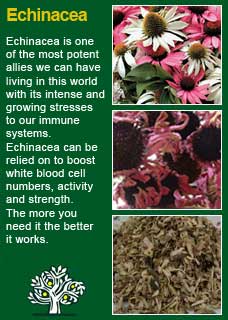
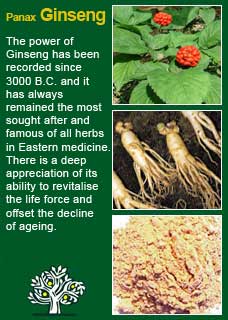
Astragalus is extremely reliable when you want to lift up a person's immune health and help them increase their resistance to disease. I have personally developed a great deal of trust in this marvellous herb and rely on it greatly in my work, where I meet many people who have compromised immune systems. A lowered immunity can show up in such obvious ways as getting too many infections, but it can also just as well be the cause of someone feeling very tired or taking a long time to recover from stress or injury. I almost always analyse the blood of my patients and the type of microscope I use is particularly helpful at assessing immune system health which, when good, has robust looking white blood cells that literally glisten with vitality. Conversely, I see many cases where the white blood cells look battered, bruised and listless. Instead of the shimmering caused by the still-living 'cytoplasmic streaming' of a healthy cell, which signifies high levels of metabolic energy, we see a dull, listless appearance. In such instances, I nearly always use Astragalus along with another great immune tonic, Echinacea and, likely as not, some other herbs that are suited to the individual and, in the great majority of cases, I can expect to see a rapid return to good white blood cell structure and visible vitality within the blood cells after using these herbs for a month or more. The scientific research into this herb (quoted in parts above), shows Astragalus is a herb that reliably stimulates and strengthens the immune system. It is wonderful for myself as well as my patients to see the difference in their own, still-living, now glistening, shimmering white blood cells with strong borders, when just a few weeks ago they had seen their immune troops looking dull, raggedy, and somewhat defeated. Dosage is always vital to the success of herbal medicine and Astragalus is a herb that must be used in strong doses. I do not think it is wise to take small doses and expect a miracle recovery from a weakened immunity or any kind of serious illness requiring its support. For example, there is much to be said for the traditional Chinese medical approach to use Astragalus in decoction form where 10 grams or so a day can easily and economically be taken. In my own practice, where people are not used to making and taking decoctions every day for extended periods and it can be much more practical to use a form that they will regularly commit to without stress of forgetfulness, I use a great deal of an encapsulated product that combines equal parts of Echinacea root and Astragalus. We get the best quality (organic) sources of these that we can and, in the case of the Astragalus, as a measure of its quality and strength, this is standardised to contain a minimum of 0.3% Astragalosides, which we then send to a local company to be placed in capsule form. The capsules are quite large with 600mg of herb going into each one. We also use a large sized pill bottle to give 140 capsules per container and then use a typical dose of anywhere from just 4 a day all the way up to 12 capsules a day in cases of acute illness and 4 capsules, twice a day for people with chronically depressed immunity or serious illness. Once people are doing well, a regular dose is 4 capsules just once a day. Those are the upper ranges of what I use, some people can do as well with less according to such factors as their size and weight and their sensitivity to medicine in general. I also use a great deal of Astragalus tincture in my work, one that we make ourselves from equally high-quality dried organic herb. In fact, I will sometimes give a prescription formula containing a high percentage of Astragalus at the same time as using the Astragalus and Echinacea capsules (you really cannot have too much of these herbs in an hour of need!) Again, we can go to high doses of Astragalus tincture, e.g. 4 mls, three times a day to make 12 mls of the tincture in divided doses over a short period of time if needed but, in most instances, a more moderate dose with the tincture form is enough to give some sure support for the immune system, equating to amounts of around 4 mls a day in divided doses. As you can see, there is a wide range of dosages that can be used. The key point is to be prepared to use a lot of it when needed and for as long as needed but equally to know that you can reduce it down to a smaller dose when things are going well but you need to continue the treatment. A personal appreciation of Astragalus can come to anyone with a special interest in herbal medicine by taking just a small dose of it with a quiet and attentive mind and then seeing what happens. Your body is a remarkably intelligent living laboratory which will respond to such an enquiry with much instinctive and palpable feedback! In the case of Astragalus this action has been described by my colleagues and students when I have done such experiments with them with words such as 'warming, nourishing, nurturing, smile-making, strengthening, something that makes you feel good deep down within'. Unlike many other remedies I have found Astragalus to be universally liked by my colleagues with whom I have made such experiments and I think it is a herb that can be given quite freely to anyone who needs its help. Further to this, if you would like to learn more about the ancient art of pulse testing, a simple but powerful way to ask the intuitive intelligence of the body for its responses to a herb by feeling the pulse whilst giving a tiny dose by mouth, read here Astragalus combines perfectly with Echinacea to build the immune system, with Panax Ginseng and Licorice to build vitality and with Withania root to build the nervous system and healthy blood. I use a very great deal of Astragalus in my work and would not be without it; I see that it and other such reliably tonic herbs have the power to change and improve people's lives.
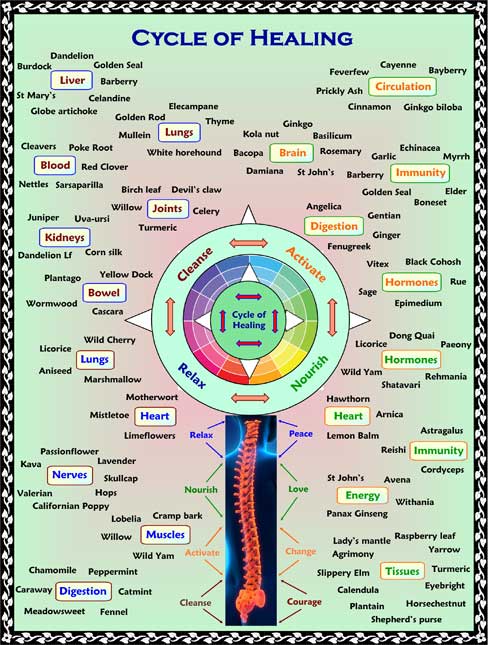
Much of the information here about the traditional uses of Astragalus is consistent with the model of thinking whereby one may treat problem A with plant B. There is value in this approach, especially in how it helps us pass on useful knowledge to one another, but it falls short in one vital area; and that is that people are not all cut from the same cloth! Something that works brilliantly for one person may do less for another -- why is this? Part of the reason is that people vary in their constitutions as to whether they are either hotter or cooler and, at the same time, either dryer or damper. This useful and rather fascinating subject is introduced further here Another big part of using the right herb when it is most needed comes from understanding the need to treat what is going wrong for the person that had led up to their getting a health condition. In this light, Astragalus shows itself as a herb that can particularly offer its benefits when a nourishing action is needed in the 'cycle of healing' - more about this here
Please understand that I cannot advise you, including on products or dosage, without seeing you in person in my clinic but for ideas
on how you might find a good herbalist in your area read here |
|





 TOP
TOP

|


© 2011 R.J.Whelan Ltd