

 |
|
|
|||
Our Pages
ABOUT CONSTITUTIONAL MEDICINE
|
What is it?
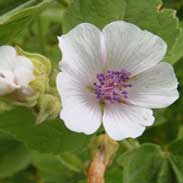
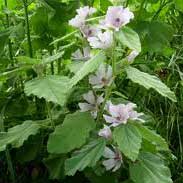
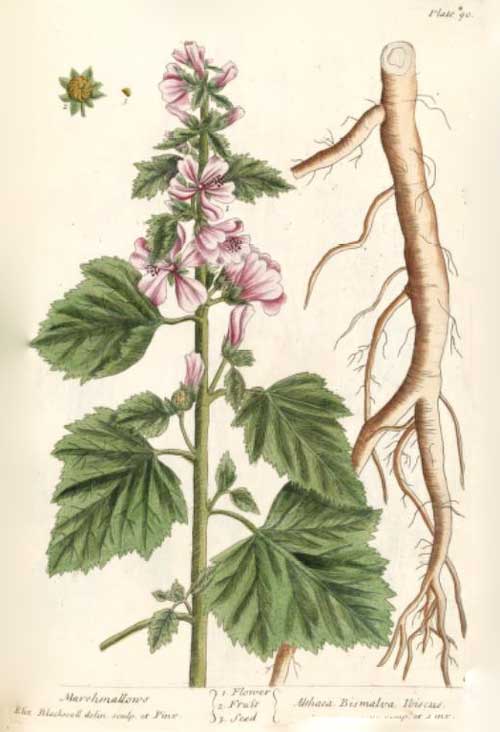
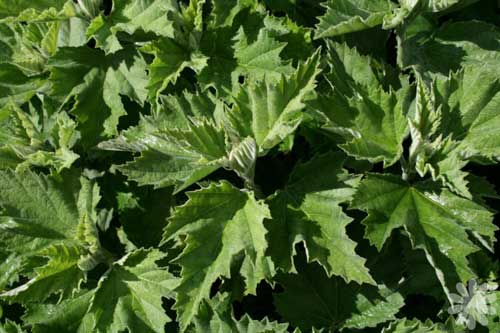
The roots of Marshmallow, a plant that gets its name from its liking to grow in marshy, watery soil. Everything about marshmallow is the opposite of dry or brittle, it is marvellously soft, moist and pliable.
The uses of Marshmallow have been carefully described in European herbal literature for over 2000 years. Its soothing and healing effects have been an integral part of treatment for conditions such as gastritis, peptic ulcers, gastro-oesophageal reflux, hiatal hernias, cystitis, renal colic from kidney stones, painful coughs and bronchial spasm and tension. The Roman physician Pliny loved Marshmallow and wrote that 'whosoever shall take a spoonful of the mallows shall that day be free of diseases'. Early Arab physicians used Marshmallow poultices to treat inflammations and early European doctors used Marshmallow internally and externally for its soothing action in treating toothache, sore throats, digestive upsets and urinary irritations. Marshmallow was also a special favourite of the great English herbalist Nicholas Culpeper, he wrote 'you may remember not long ago there was a raging disease called the body flux, the college of physicians not knowing what to make of it. My son was taken with it and the only thing I gave him was Mallows bruised and boiled in milk and drunk. In two days, the blessing of God be upon it, it cured him'. Culpeper rated Marshmallow highly for 'shortness of breath, wheezing, cramps, torments of the belly and other diseases of the chest' Poultices or ointments of Marshmallow have been applied externally to new open wounds as well as over boils, abscesses, ulcers and old wounds to draw unwanted matter to the surface to be expelled from the body. WM Cook writes 'the root contains large quantities of pure mucilage, which is agreeable to the taste and soothing to all mucous membranes... it is useful in irritable coughs arising from acute bronchitis, pneumonia, and pleurisy; also in acute dysentery, and inflammation or catarrh of the bladder' T J Lyle writes 'the root contains much mucilage which is soothing to the mucous membrane and skin, and is valuable in the treatment of irritated conditions especially in pharyngitis, laryngitis, bronchitis, pneumonia, dysentery, diarrhoea, typhoid fever, diphtheria, gonorrhoea, cystitis, urethritis and nephritis. Its influence to soothe will be used by the vital force wherever needed, or where its influence may be determined by other medication' King's Dispensatory writes 'the root of Marshmallow is demulcent and diuretic, and will be found valuable in diseases of the mucous tissues, as hoarseness, catarrh, pneumonia, gonorrhoea, vesical catarrh, renal irritation, acute dysentery, and diarrhoea. In strangury, inflammation of the bladder, hematuria, retention of urine, some forms of gravel, and indeed in nearly every affection of the kidney and bladder, their use will be found advantageous. Much use is made of Marshmallow in urinary derangements. They are likewise efficacious in gastro-intestinal irritation and inflammation. Externally, marshmallow root is very useful in the form of poultice, to discuss painful, inflammatory tumors, and swellings of every kind, whether the consequence of wounds, bruises, burns, scalds, or poisons; and has, when thus applied, had a happy effect in preventing the occurrence of gangrene. The infusion or decoction may be freely administered' Priest & Priest wrote that Marshmallow is 'a soothing demulcent indicated for inflammed and irritated states of mucuous membranes. Particularly suitable for the elderly with chronic inflammatory conditions affecting the gastrointestinal tract or genitourinary tract' The British Herbal Pharmacopoeia (BHP) describes the actions of Marshmallow root as 'demulcent, diuretic, emollient & vulnerary'. It says it is indicated for 'gastritis, gastric or peptic ulceration, enteritis, inflammation of the mouth or pharynx, respiratory catarrh with irritating cough, cystitis. Locally for varicose or thrombotic ulcers. The BHP suggests combining it with Licorice, White Horehound and/or Lobelia for cough. Used with Slippery Elm as a poultice of ointment for inflammation and crural ulcers (of the leg). The BHP recommends a dose of 2-5 grams or by cold extraction. The extract in 25% ethanol at 2-5mls. The syrup in a dose of 2-10mls.
~ Marshmallow contains large amounts of acidic polysaccharides that form mucilage and it is this substance that accounts for much of its soothing, anti-inflammatory effects. In an experimental model it was demonstrated that Marshmallow extracts significantly reduced the cough reflex showing that soothing the gastro-intestinal tract causes a reflex soothing of the respiratory tract (Nosal'ova G et al: Pharmazie 47:224-226, 1992) Mucilaginous herbs like marshmallow root may inhibit coughing by forming a protective coating on the mucosal lining of the respiratory tract, shielding it from irritants. Marshmallow reduces the transport velocity of isolated ciliary epithelia and may protect mucous layers in the hypopharynx, exert spasmolytic, antisecretory, and bactericidal properties. Antitussive activity has been demonstrated by oral doses of marshmallow root extract and a marshmallow polysaccharide (Muller-Limmroth, W. and Frohlich, H. H. [Effect of various phytotherapeutic expectorants on mucociliary transport]. Fortschr Med 1-24-1980;98(3):95-101) ~ In one experiment Marshmallow enhanced the ability of white blood cells to engulf disease microbes (phagocytosis) which strongly suggests that its traditional use in wound healing and gut infections is more than just a soothing local effect (Recio MC and et al. Antimicrobial activity of selected plants employed in the Spanish Mediterranean area, Part II. Phytother Res 1989;3:77-80) ~ In 1966, Beaune et al. conducted an experimental study and found that the anti-inflammatory properties of marshmallow alone were superior to dexamethasone (Beaune, A. and Balea, T. [Anti-inflammatory experimental properties of marshmallow: its potentiating action on the local effects of corticoids]. Therapie 1966;21(2):341-347) ~ The authors, titles and the 'where-and-when' published of nearly 30 further studies and articles on Marshmallow are listed in a PDF found here
The only time there may be a need for caution with Marshmallow is when the person is using certain types of drugs. Some research suggests that taking Marshmallow might decrease the need for hypoglycemic drugs e.g. glimepiride (Amaryl), glyburide (DiaBeta, Glynase PresTab, Micronase), insulin, pioglitazone (Actos), rosiglitazone (Avandia) so it would be wise to be checking blood sugar levels whilst using the herb and, I suppose it should go without saying that if they go too low then I would suggesting using less of the drugs, not the herb! There are also theoretical concerns that the mucilage in Marshmallow, and the way it provides a coating over the gastric lining, might impair the absorption of certain drugs. There are no reports of adverse reactions in this regard but, if the drug is known to be particularly dose-sensitive and its effects are much needed, then it may be wise to take any high doses of Marshmallow an least an hour or more apart.
For some years now, against this proven and safe way of herbalism, there has been a rising tide of excessive caution and scare-mongering in many parts of the world. The same authorities that, not so long ago, decried herbal medicines as ineffectual, have now taken up a different adversarial position; that they are dangerous substances that should only be prescribed by Doctors, who of course have zero training in them. Unfortunately, the same unnecessary fear and worry has crept into many natural health websites and popular publications on herbs. Herbs that we have safely used for thousands of years, that have no reports of adverse reactions in the medical literature despite widespread use by millions of people, are suddenly described as contraindicated because of something that should have been seen as completely unimportant, or at the utmost a merely theoretical concern, such as a laboratory study on one of the herb's constituents to use an all too common example. I wonder sometimes if the writers of such articles feel that the herb will be more deserving of respect if it is thought to be a little bit dangerous, in other words more like a drug than something that has simply come out of the earth and been used by ordinary people for generations beyond count. There is just so much misinformation about herbal medicine on the internet now. Ludicrous claims and cautions abound in equal measure; it seems like one group are trying to make money out of the public whilst the other are busily trying to scare them off. I have to believe that the kind of reader who takes the time to read pages on herbs that are as extensive as this one is much less likely to be swayed by marketers or misinformers. I hope that you will keep your wits about you if you get conflicting opinions from people who have never really got to know these herbs, who have never worked with them, or learned how to use them safely and effectively. I want to remind you that the reason that herbs can never be patented and owned by any individual or corporation is because they are, and always will be, the People's medicine. They belong to all of us and it is my great hope in sharing this work that you will learn how to use them wisely for yourself, and the people you care for. Be safe, but do not be afraid.
I like the surprise on my young patient's faces when I tell them I am going to put some Marshmallow extract into their medicine. I suppose they must think I am putting lollies in it and I guess it won't hurt them to have a little positive expectation and as the tincture that we make from dried Marshmallow root in our clinic is really quite remarkably sweet and syrupy they're not far wrong! If you who are reading this are studying herbal medicine or if you just have your own reasons to want to know this plant ally at a much deeper level then I warmly recommend you obtain and take some Marshmallow medicine by just putting a tsp or two of the root in some cold water for a few hours to get a certain introduction to it! Alternately you can do the same experiment with a tsp of its tincture. In either case take a good dose of Marshmallow and then, with a quiet and attentive mind, observe for yourself and see how it makes you feel and what your body makes of its 'action'. I would predict that if you have some inflammation or irritation in your body in the present, then you may find it to be a most welcome visitor! Further to this, if you would like to learn more about the ancient art of pulse testing, a simple but powerful way to ask the intuitive intelligence of the body for its responses to a herb by feeling the pulse whilst giving a tiny dose by mouth, read here Marshmallow soothes and comforts the dry, red, sore parts like nothing else. It can be like a warm soft bandage to an aching sore, instantly soothing! On the other hand if you are quite a damp constitution or really have no need for its influence then you might find it rather unpleasantly moist and syrupy! This ancient way of experientially learning about herbs has great value today, even with a great deal of written information to hand. I think it will better help you to know when and how to use it than that which an abstract understanding could bring... Aside from its direct actions on sore, infected or inflamed tissues Marshmallow can also be used as a constitutional medicine for people who have too much ‘dryness’. I will often include some Marshmallow when I think a person's constitutional balance has gone too far to the 'dry'. This might show up as a dry skin or tongue or sometimes the dryness is present in the symptoms themselves, a cough that has no practical use, broken or cracked skin, signs for a 'leaky gut' where there are cracks and micro-tears in the digestive tract. With patient use over days if not weeks it can be seen that Marshmallow has an uncanny ability to bring ‘moisture’ back into such dry conditions. In terms of how I personally use it I do favour the pleasant and potent tincture we make at 1:8 plant to 25% ethanol/ water that we then add 20% Glycerine after pressing. In terms of dose this can be taken quite freely as required, a tsp up to 5 or 6 times a day will not cause any harm if there is an acute need.
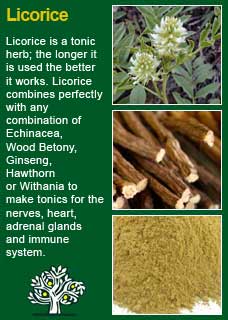
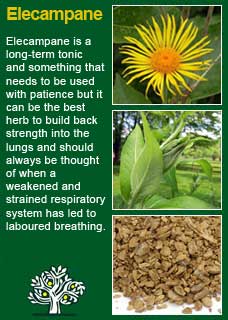
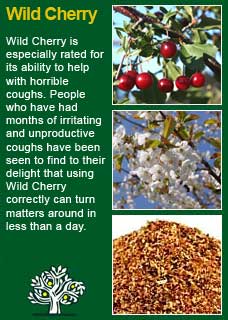
Marshmallow combines perfectly with Licorice for any kind of dry or depleted condition, with Elecampane for weak lungs and old coughs and with Wild Cherry for dry and exhausting coughs.
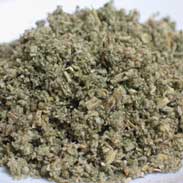
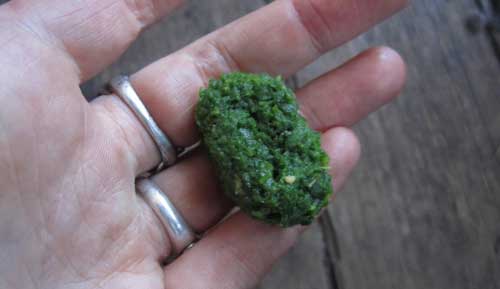
I use a lot of Marshmallow extract in creams that we make ourselves for people with dry or damaged skin but if the skin is badly damaged or open you can also get great healing from using a Marshmallow poultice. Poultices are made by mashing the herb and soaking it in enough water to moisten the herb into a pliable 'putty'. You then place the whole product, herb and water combined, on to a cloth which is then placed directly over the affected wound or skin problem and then you cover that further with a towel or cloth to hold everything in place. This may be left on as long as necessary, even overnight if it can be bandaged in place. I highly recommend using some 'glad-wrap' (cling film) to hold the poultice in place if you need to keep it on for a while.
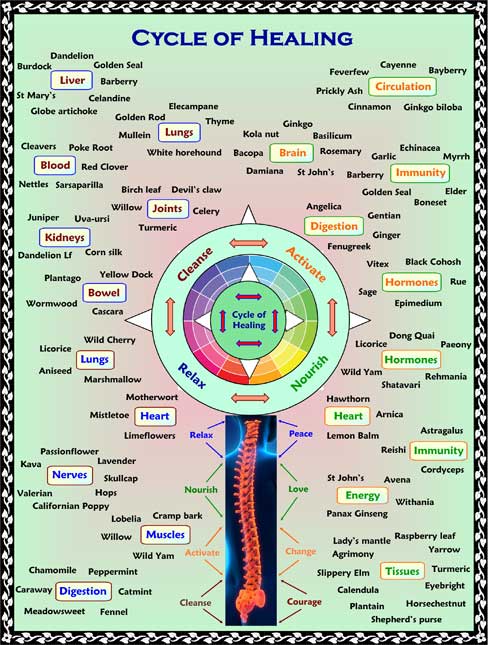
Much of the information here about the traditional uses of Marshmallow is consistent with the model of thinking whereby one may treat problem A with plant B. There is value in this approach, especially in how it helps us pass on useful knowledge to one another, but it falls short in one vital area; and that is that people are not all cut from the same cloth! Something that works brilliantly for one person may do less for another -- why is this? Part of the reason is that people vary in their constitutions as to whether they are either hotter or cooler and, at the same time, either dryer or damper. This useful and rather fascinating subject is introduced further here Another big part of using the right herb when it is most needed comes from understanding the need to treat what is going wrong for the person that had led up to their getting a health condition. In this light, Marshmallow can particularly offer its benefits when a relaxing action is needed in the 'cycle of healing', more about this here
Please understand that I cannot advise you, including on products or dosage, without seeing you in person in my clinic but for ideas
on how you might find a good herbalist in your area read here |
|



 TOP
TOP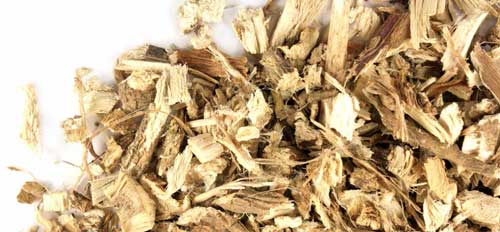
|


© 2011 R.J.Whelan Ltd