

 |
|
|
|||
Our Pages
ABOUT CONSTITUTIONAL MEDICINE
|
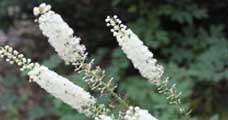
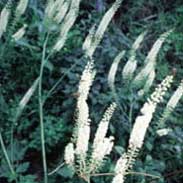
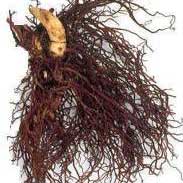
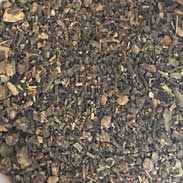
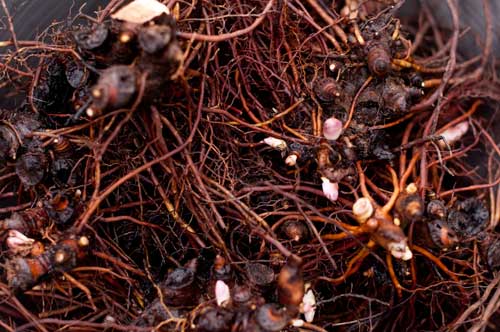
In herbal medicine we use the roots of Black Cohosh, a tall, long-lived herb that grows in woods and high grounds. The medicine made from the roots is bitter, penetrating and distinctive.
Black Cohosh has always been seen as herb with a particular affinity for helping gynaecological problems and in modern times in commercial herbal medicine it is used almost exclusively as a herb to aid women's health, especially in the menopause; Rudolph Weiss M.D. writes 'Black Cohosh is primarily used for treatment of menopausal complaints and it is also used to treat premenstrual syndrome and juvenile menstrual disorders where mood disorders are a predominant factor.' However Black Cohosh has much wider actions and effects, a fact that was not lost on the Native Americans who were the first to extensively use it in their own highly developed system of medicine. Black Cohosh has been traditionally used to treat inflammatory conditions associated with cramping or spasm such as sciatica, rheumatism, painful periods, painful childbirth, low back pain and headaches. The great eclectic tradition of herbal medicine from the 18th and 19th centuries regarded Black Cohosh so highly that many called it 'the premiere medicine for both depression and rheumatism'. From King's Dispensatory, 1898: "Few of our remedies have acquired as great a reputation in the treatment of rheumatism and neuralgia. Prof. King's own statement of his use of it is as follows: 'The saturated tincture of this article was recommended by me in acute rheumatism, in the New York Philosophical Journal, as early as in the year 1844; to be given in doses of 10 drops every 2 hours, gradually increasing to 60 drops, or until its action on the brain is observed, which action must be kept up for several days; it almost always removes the disease permanently, especially if it is a first attack' WM Cook made a close observation of Black Cohosh in his career, he writes 'the root of Cimicifuga has long been known to physicians as a remedy of decided value, after much experience and careful observation in its use, I offer the following account; It is moderately prompt and diffusive, but requires some hours to manifest its full action through the system. It is almost purely relaxant, leaving behind only a trifling astringent impression on mucous membranes. Its power is expended chiefly upon the nervous structures, beginning at the peripheries and extending to the brain, through the sensory nerves influencing the heart and pulse, and through the sympathetic nerves making a decided impression upon the uterus. Its impression is always relaxant; and that relaxation is not the same in kind as from lobelia, boneset, camomile, or any other agent, but is peculiar to this herb alone. On the nerves it acts gradually, yet in the end with decided power–soothing them, relieving pain dependent on local irritation, and proving a good antispasmodic. It quiets mental excitement, and calms both body and mind, disposing to a placid sleep, with a sense of relief about the head. At the same time it softens and slowly lowers the pulse, and causes fullness of the capillary circulation, and a gentle increase of perspiration. From these effects it has been pronounced a narcotic; but there is not a shade of narcotic action about it. Large doses, repeated at short intervals, are usually followed by a peculiar feeling of dizziness, which seems to be owing entirely to a too sudden relaxation of the nerve centers, before the other tissues have time to respond to the impression, This feeling will pass away in a few hours: pretty full doses of the powder or infusion may often be given regularly, without causing it at all, and the tincture is the most liable to produce it. On serous tissues it allays irritation, soothes excitement, and relieves sub-acute and chronic inflammation. Its excellent qualities here are seen in the great relief it gives to all forms of articular and neuralgic rheumatism; for which it is one of the most useful of agents' David Hoffmann writes 'Black Cohosh is a valuable relaxant and normaliser of the female reproductive system. It may be used to good effect to treat painful or delayed menstruation, and it relieves cramping pain in the womb and cramping associated with ovulation. Modern interest in this herb has focused on its gynaecological uses and, while it is of undoubted value in this area, its contribution to the treatment of arthritic disorders should not be overlooked... Black Cohosh helps to ease the physical and mental changes associated with perimenopause and menopause, as well as hormonal deficits resulting from ovariectomy or hysterectomy in younger women. Clinical studies support the primary application of Black Cohosh for the treatment of menopausal symptoms such as hot flushes, headache, vertigo, palpitations, ringing in the ears and a range of associated psychological symptoms including irritability, sleep disturbances and depressive moods. Black Cohosh has been used successfully in women younger than 40 years for treatment of hormonal deficits resulting from ovariectomy or hysterectomy. At least 8 weeks of treatment may be required to alleviate symptoms. A review of clinical studies showed that trials have ranged in length from 8 weeks to as long as 6 months' The British Herbal Pharmacopoeia (BHP) describes the actions of Black Cohosh as 'antirheumatic, antitussive, sedative, emmenagogue' and says it is indicated for 'rheumatism, rheumatoid arthritis, sciatica, dysmenorrhoea, uterine colic and specifically indicated for 'muscular rheumatism and rheumatoid arthritis' The BHP recommends doses of 0.3-2 grams or by infusion and the extract at a dose of 0.3- 2mls mls. Thomas Bartram writes that the actions of Black Cohosh include 'relaxing nervine, sedative, spasmolytic, vaso-dilator, anti-arthritic, anti-inflammatory, anti-rheumatic, anti-cough, regulates autonomic nervous system, emmenagogue, the agent works powerfully upon the female reproductive system' and he suggests using it for 'cramps, sciatica, low back pain, facial and intercostal neuralgia, stiff neck, aches after strenuous exercise, painful menstruation and menopausal symptoms, breast pains, threatened abortion, migraine of hormonal origin and pain in the ovaries. oestrogen-deficiency. Bartram suggests doses of 40-200mg by decoction or 0.4 -2mls of the 1:10 tincture in 60% ethanol.
~ Black cohosh has been shown to exhibit an action on the central endogenous opioid system in postmenopausal women as evidenced by suppression of mean luteinizing hormone pulse frequency following opioid receptor blockade (Reame, N. E., Lukacs, J. L., Padmanabhan, V., Eyvazzadeh, A. D., Smith, Y. R., and Zubieta, J. K. Black cohosh has central opioid activity in postmenopausal women: evidence from naloxone blockade and positron emission tomography neuroimaging. Menopause 2008;15(5):832-840) ~ Laboratory study of cimicifugic acids C and D, and fukinolic acid in the rhizome of black cohosh show vasoactive effects. (Noguchi, M., Nagai, M., Koeda, M., Nakayama, S., Sakurai, N., Takahira, M., and Kusano, G. Vasoactive effects of cimicifugic acids C and D, and fukinolic acid in cimicifuga rhizome. Biol Pharm Bull 1998;21(11):1163-1168) ~ Extracts of black cohosh have protected against induced DNA damage through scavenging of reactive oxygen species in vitro. A sample of black cohosh collected in 1919 by the physician and plant explorer Henry Hurd Rusby, was recently identified in the collections of The New York Botanical Garden and analyzed. A comparison of the triterpene glycosidic and phenolic constituents of the 85 year-old plant sample with those of a modern collection of Actaea racemosa showed the similarity of the two samples, and both extracts showed similar antioxidant activity. This confirms the stability of the older sample, despite curation (Jiang, B., Yang, H., Nuntanakorn, P., Balick, M. J., Kronenberg, F., and Kennelly, E. J. The value of plant collections in ethnopharmacology: a case study of an 85-year-old black cohosh (Actaea racemosa L.) sample. J Ethnopharmacol 1-15-2005;96(3):521-528) ~ According to in vitro study, black cohosh was found to be consistent with a human mu opiate receptor (hMOR) agonist, with an EC50 of 68.8 ± 7.7mcg/mL, which may explain its purported beneficial role in alleviating menopausal symptoms (Rhyu, M. R., Lu, J., Webster, D. E., Fabricant, D. S., Farnsworth, N. R., and Wang, Z. J. Black cohosh (Actaea racemosa, Cimicifuga racemosa) behaves as a mixed competitive ligand and partial agonist at the human mu opiate receptor. J Agric Food Chem 12-27-2006;54(26):9852-9857) ~ Black Cohosh was tested on 28 menopausal women with 80% showing good or very good efficacy in relation to the symptoms measured. It was not found to alter the hormones: estradiol, prolactin, follicle-stimulating hormone (FSH) or leutenising hormone (LH). (Nesselhut T, Liske E: 10th Annual Meeting of the North American Menopause Society, New York, Sept 23-25, 1999) ~ A double-blind, placebo-controlled study involving 179 women showed that a combination of Black Cohosh and St John's wort was highly effective for reducing menopausal symptoms. (Boblitz N et al: Focus Alternat Comp Ther 5(1):85086, 1995) ~ A review of clinical trials shows that Black Cohosh has therapeutic effectiveness for moderate to severe neurovegetative symptoms of menopause. Good tolerability and low risks of side-effects have also been confirmed (Liske E: Adv Ther 15(1):45-53, 1998) ~ Black Cohosh does not contain estrogens and nor does it directly alter estrogen levels however compounds within the plant act as selective estrogen re-uptake modulators (SERMs) and it is this which is proposed to be the reason it helps reduce the symptoms of menopause (Third International Congress on Phytomedicine, Munich, October 11-13, 2000, Phytomed 7(supp 2):11-12, 2000)
As with most herbs, the art to using it safely largely lies in using the right dose. Ellingwood describes what it is like to take too much of it 'Cimicifuga in large doses produces general relaxation, dimness of vision, dizziness, tremors, slowing of the pulse, fall of arterial pressure, vomiting or gastric irritation; it stimulates expectoration and perspiration, causes intense headache and prostration. The headache is chiefly frontal; in some persons the drug causes pain in the joints and limbs similar to rheumatism. An overdose is promptly signalled by the appearance of the characteristic headache, which assumes a bursting, tearing character and flushed face. This will abate at once upon discontinuance of the agent'
For some years now, against this proven and safe way of herbalism, there has been a rising tide of excessive caution and scare-mongering in many parts of the world. The same authorities that, not so long ago, decried herbal medicines as ineffectual, have now taken up a different adversarial position; that they are dangerous substances that should only be prescribed by Doctors, who of course have zero training in them. Unfortunately, the same unnecessary fear and worry has crept into many natural health websites and popular publications on herbs. Herbs that we have safely used for thousands of years, that have no reports of adverse reactions in the medical literature despite widespread use by millions of people, are suddenly described as contraindicated because of something that should have been seen as completely unimportant, or at the utmost a merely theoretical concern, such as a laboratory study on one of the herb's constituents to use an all too common example. I wonder sometimes if the writers of such articles feel that the herb will be more deserving of respect if it is thought to be a little bit dangerous, in other words more like a drug than something that has simply come out of the earth and been used by ordinary people for generations beyond count. There is just so much misinformation about herbal medicine on the internet now. Ludicrous claims and cautions abound in equal measure; it seems like one group are trying to make money out of the public whilst the other are busily trying to scare them off. I have to believe that the kind of reader who takes the time to read pages on herbs that are as extensive as this one is much less likely to be swayed by marketers or misinformers. I hope that you will keep your wits about you if you get conflicting opinions from people who have never really got to know these herbs, who have never worked with them, or learned how to use them safely and effectively. I want to remind you that the reason that herbs can never be patented and owned by any individual or corporation is because they are, and always will be, the People's medicine. They belong to all of us and it is my great hope in sharing this work that you will learn how to use them wisely for yourself, and the people you care for. Be safe, but do not be afraid.
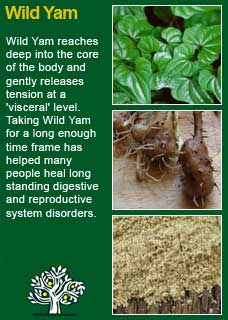
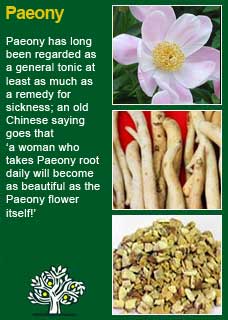
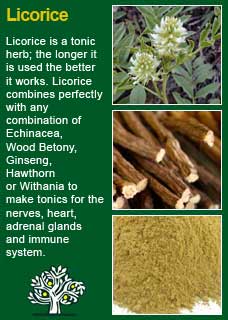
Due to early testing (since the 1950s) in Europe with Black Cohosh for menopause related symptoms the appreciation of this great herb has become rather narrowly focused on as a 'menopause herb' whilst its other traditional uses have largely been forgotten - this is unfortunate because it has so much else to offer. It can be a great women's herb but Black Cohosh has widespread and potent actions that have the potential to affect change both physically and psychologically. For example, Black Cohosh has a powerful effect on the mind. Thomas Bartram writes of it 'for melancholia and nervous depression' and if someone is depressed and lacking creative flow, it can sometimes be the best remedy to help break out of stagnation and melancholia. Physically, throughs its deep and penetrating relaxing action, Black Cohosh can help break down the barriers to the innate healing process. One of the main Native American uses for it was in rheumatism where it gets right into the parts of the body where there is pain and stiffness. Black Cohosh is a dynamic remedy where a little can go a long way - the 'body' (which you could also call the 'subconscious') will soon tell you what it thinks about the herb. The art of knowing when to use Black Cohosh and in what dose cannot be put in a simple summary but what I can say for a start is that if you who are reading this are studying herbal medicine then this is one of those remedies that will greatly reward your learning how to carefully test it on your patients before using it. The best way I have found to do this is to quietly observe and at the same time gently feel the person's pulse before, during and after giving a few drops of Black Cohosh on the tongue. Observe what you feel and see with an open mind and I am sure you will get strong and clear impressions from that great laboratory of the human organism in front of you - it knows what is good for it and what is not; the pulse palpably strengthens or weakens and at the same time, the 'colour' of their complexion visibly improves or lessens and, if you notice it, their breathing either constricts or relaxes and so forth. To some extent you can test these things on yourself in the same way but we are usually better at observing others than ourselves; this process of pulse-testing is discussed further here Dosage is always critical in herbal medicine; too little and nothing will happen, too much and you get to know about it in the wrong way! I find that for men (I do use this herb for men with aches and pains or a persistently low mood) higher amounts can be taken, and here I will usually start with 3 or 4 mls a day in divided doses. For women, I will be more likely to start with smaller doses, and perhaps just 1 ml twice a day is what usually seems ample to get a sure action from the herb, but I would gently nudge the dose upwards if it didn't seem to be obviously working. Just one step at a time with a warning to reduce the dose back if she were to get a characteristic and unusual headache. Black Cohosh can combine perfectly with Wild Yam for rheumatic problems, it can be excellent with St John's wort to help lift a low mood and for the right woman it can be ideal combined with Peony and/or Licorice root for hormonal or menopausal problems. From my high regard towards Black Cohosh, some years ago I wrote an article on it for the herbalist's magazine Avena that expresses some further thoughts, that article can be seen here
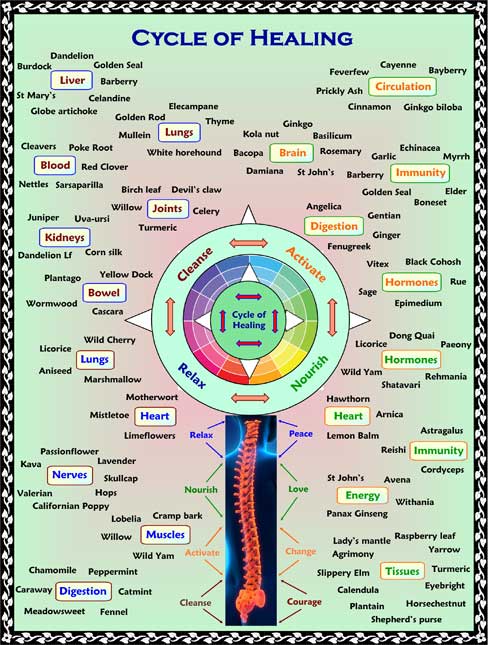
Much of the information here about the traditional uses of Black Cohosh is consistent with the model of thinking whereby one may treat problem A with plant B. There is value in this approach, especially in how it helps us pass on useful knowledge to one another, but it falls short in one vital area; and that is that people are not all cut from the same cloth! Something that works brilliantly for one person may do less for another -- why is this? Part of the reason is that people vary in their constitutions as to whether they are either hotter or cooler and, at the same time, either dryer or damper. This useful and rather fascinating subject is introduced further here Another big part of using the right herb when it is most needed comes from understanding the need to treat what is going wrong for the person that had led up to their getting a health condition. In this light, Black Cohosh can particularly offer its benefits when an activation is needed in the 'cycle of healing' - more about this here
Please understand that I cannot advise you, including on products or dosage, without seeing you in person in my clinic but for ideas
on how you might find a good herbalist in your area read here |
|



 TOP
TOP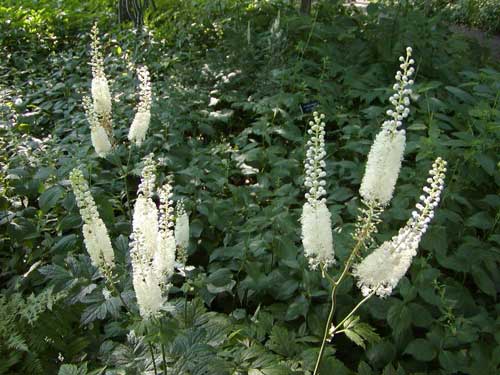
|


© 2011 R.J.Whelan Ltd