Our Pages
ABOUT
- Herbal Medicine
- The Clinic
- Richard Whelan
HERBS
- Alphabetically
CONDITIONS TREATED
- By Group
- Alphabetical
CLINIC INFORMATION
- Clinic Hours
- Clinic Location

|
1) Enjoy your food!
This may seem like an incredibly obvious thing to say but it is perhaps the single most important point any nutritionally minded health practitioner could make to you!
Enjoyment and appreciation of good food is a sure foundation for feeling and living well. A good diet does not have to be boring and don’t think for a moment you should eat foods you dislike because 'they're good for you'. Some of the healthiest and longest-Iiving people in the world eat the most interesting and tasty diets.
When you enjoy your food you send deep, instinctual messages to your body to reach out and extract the energy and goodness from that nutrition. Compared to every other form of life, 21st century modern people spend, on average, extremely little time actually acquiring and eating the food we need to live on. Food has become fast, instant and generally rushed. Slow down, enjoy your food; your body will love you for it.
2) Every day. Drink plenty of water
Water is vital. About two litres of water every day is the minimum amount of fluid a person should drink and this needs to increase even more in hot weather and when exercising. A dry mouth means that dehydration is already well established! Your brain is 75% water, your blood 85%. Even slight dehydration will impair how you feel and function and this is very common.
Tea, coffee and alcohol are mildly diuretic; they make your body actually lose fluids which is why it often appears that the more you drink them the more you seem to need. Most people should drink at least 6 or 7 cups of water a day. Once your body has got used to the increase and your blood is less thick then you won’t be running to the toilet nearly as frequently as you might at first.
TOP | CONDITIONS TREATED A-Z or BY GROUP
3) Eat Fresh and Whole Foods
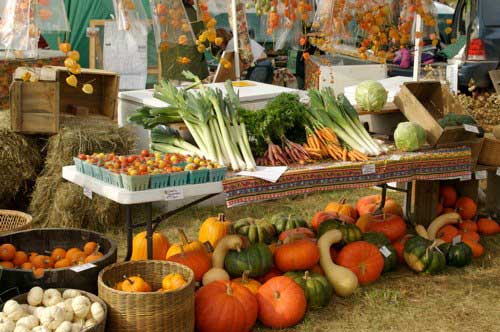
It may surprise you to learn that the average volume of food a person consumes in our society has reduced dramatically in comparison to past generations. Most of us have much less need to expend calories in physical work because of a variety of labour-saving technologies; so the subsequent need to replace spent energy with large physical quantities of food is considerably smaller. This makes the quality of what we do eat all that more important. Fresh is best, there no preservatives, nutrient levels are higher and it tastes better. Plus it is easier to see if fresh food has been spoiled or is old and past its 'use by' date.
Whole foods are basically any foods that get into your hand or on to your plate with a minimum of industrial processing and chemical enhancement. Over 3000 chemicals have been approved for use in the food industry. The average person takes in well over a kilo of chemicals every year that, until recently, our bodies have never had to deal with before.
4) Aim for at least five different types of vegetables and two pieces of fruit daily
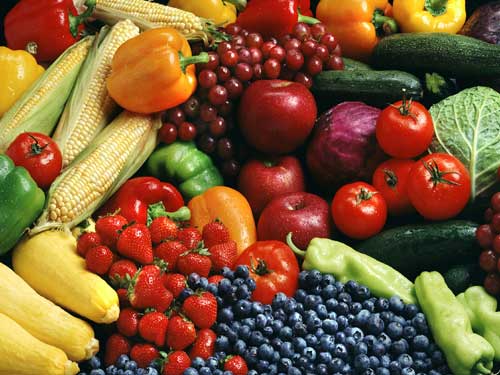
In many ways fruit and vegetables are the healthiest foods of all. Vegetables and fruits contain an excellent range of vitamins, minerals, trace elements, essential fatty acids, anti-oxidants and fibre. They are also good sources of a variety of components that impart specific health-giving properties; for example cabbages and tomatoes reduce cancer risk; legumes (beans & lentils) contain phyto-oestrogens; bitter components in greens flush the gall bladder; fruit pectin lowers cholesterol; and celery lowers blood pressure and reduces acid build-up in joints.
Vegetable consumption should be varied. Preparation by steaming, stir-fry or baking reduces nutrient loss. An ideal combination would be two or three orange, red or yellow vegetables, a couple of green vegetables, and at least one of the cabbage family such as broccoli or cabbage and/or some garlic or onion for their cancer-preventing and blood fat-lowering properties.
Fruit is also a superb source of healthy nutrients that our bodies can easily extract. Fruit is best consumed whole rather than juiced, to retain the fibre and slow the absorption rate of sugars. You will never gain unwanted weight eating more fruit and vegetables.
TOP | CONDITIONS TREATED A-Z or BY GROUP
5) Eat good quality protein, regularly
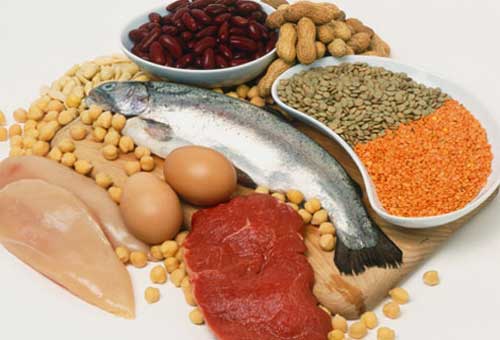
When people go on 'healthy' or 'weight loss' diets, they often drastically reduce or stop most of their protein intake. However for energy production and vital rebuilding of body tissues the intake of quality protein is an essential part of a healthy diet. Protein is found in animal products such as meat, eggs, fish, milk and cheese, and also in the carbohydrate/vegetable proteins.
Deciding how much protein to eat in grams is quite difficult. Young people between the ages of eleven and twenty should eat about one gram of protein for every kilogram of their body weight. People from twenty onwards can reduce this to about 0.75 g for every kilogram. On average, this means people should consume between 45 and 65 grams of protein each day.
~ Approximate levels of protein in common foods
- Meat (100 grams) 20-25 grams
- Fish and seafood (100 grams) 15-20 grams
- Beans/legumes (I cup) 10-15 grams
- Whole grains (I cup) 5-12 grams
- One cup of milk or yoghurt 8 grams
- An egg, 6 grams
- Cheese (30 grams) 6-8 grams
- Vegetables and fruits (I cup) 2--4 grams
Complex carbohydrates contain some of the amino acids that make up proteins and can be combined in a meal so that they become a complete substitute for animal protein.
These are a few common combinations from cultures around the world; grains with beans: tofu and rice (Asia), lentils and rice (India), tortilla and beans (Mexican), grains and nuts: peanuts and rice (Southern Asia), nut butters and bread (bread-eating countries); rice and cashews (Asia), beans and seeds: sesame seed paste (tahini) and beans (Middle East). Many people instinctively cook like this or follow traditional recipes that incorporate these food combinations.
TOP | CONDITIONS TREATED A-Z or BY GROUP
6) Vary food flavours
There are five main flavours in the diet: bitter, sweet, sour, salty and spicy. In New Zealand, as with most European based cultures, we rely heavily on the sweet and salty flavours.
Some cultures include all or most of the flavours in their cooking as a matter of course; - Thai food for example, is cooked with the addition of salty, sweet, spicy and sour flavours.
Each of the flavours has subtle effects on digestion and health.
Bitter foods for example improve digestion and bowel function by stimulating the bile flow. Bitter green vegetables are commonly used in some parts of Europe e.g. chicory, dandelion leaves and silver beet are often included in the diet to aid digestion.
Grapefruit is both sour and bitter, and the old practice of having half a grapefruit before a fatty breakfast such as bacon and eggs makes much sense.
Dandelion coffee is a gentle and effective bitter and liver tonic that is widely available as an ‘instant’ beverage
Warming spices in the diet improve sluggish digestion and can be used for complaints of the upper gastrointestinal tract such as nausea, dyspepsia (belching) and indigestion. Ginger, cardamom, cumin and coriander are all useful with ginger tea being particularly helpful for nausea. Warming spices are especially useful for those who feel cold, have difficulties with cold weather, or catch colds easily.
Sour foods are drying and can be used to prevent excessive mucus membrane congestion and moistness. Excessive consumption of sweet foods often causes a build up of phlegm or catarrh in susceptible individuals that sour foods can help to counteract. Many sour foods, such as citrus fruit, are useful to protect the mucus membranes from infections. Sour foods also aid digestion.
At first you might not like the experience of new tastes. You might think why anyone would like something bitter, doesn’t this contradict the first point about ‘enjoying your food’!
This is the challenge. Give a new food or taste 3 tries before you make a decision. The psychology of taste is well researched. Most of us will instinctively dislike a flavour that registers as ‘new’. It is long evolved survival mechanisms at work. Try again, twice; you may well be pleasantly surprised. More flavours equals better health and more enjoyment, - eventually!
TOP | CONDITIONS TREATED A-Z or BY GROUP
7) Healthy Diet Examples
~ Start the day with:
- The juice of a lemon diluted in a glass of warm water
- 1/2 a grapefruit
- Some citrus juice (especially grapefruit)
(Each of the above kick-starts your liver into action and are useful if you are one of the legions of people with no morning appetite because yes, breakfast really is the most important meal of the day)
~ Breakfast
- A homemade muesli with ingredients such as raw oatmeal, rice flakes, puffed millet, sunflower seeds, linseeds, sultanas, chopped almonds or cashews, dried apricots, paw-paw or other fruit, coconut and chopped pumpkin seeds. Add low-fat cow’s milk, yoghurt or soya milk, and chopped fresh fruit.
- Fresh fruit in season with yoghurt and seeds or chopped nuts.
- Wholegrain bread, toasted, with an egg or two, or perhaps some nut butter, hummus, low fat cheese, miso, add optional sprouts.
- Cooked cereal such as oatmeal, millet meal, brown rice or buck- wheat, with added nuts, seeds and dried fruit as desired. Add milk of choice and fruit or a little honey.
~ Lunch
- Wholegrain bread sandwich with a mixture of salad vegetables. Include a little protein such as tuna, salmon, chicken, egg, low-fat cheese, and hummus.
- Salad of mixed vegetables such as lettuce salad, coleslaw, tabouli salad, grated beetroot, tomatoes, carrot or celery. Protein should be included either in the form of correctly combined vegetable proteins or animal proteins as above.
- Soup with the addition of beans or grains, a little yoghurt or Parmesan cheese.
- Any of the dinner choices
~ Dinner
- The options for the evening meal are usually extremely varied, being only limited by the imagination. It should contain: at least three different vegetables, cooked or raw depending on season and at least some good protein.
~ examples for the evening meal :
- Vegetables with rice and tofu
- Lamb casserole
- Chicken soup
- Stir-fry beef and vegetables
- Vegetables with lentils and rice
- Fish with vegetables or salad
~ Fluids
- Limit caffeine-containing beverages to two cups of coffee or four cups of tea a day.
- Drink at least half a dozen glasses of plain water daily.
- Try getting a new herbal tea every week or fortnight until you find a few you like and want to have regularly. Hot or iced, they can usually be infused (stewed) for longer than ordinary tea (make it to your taste); you can certainly add honey as well.
TOP | CONDITIONS TREATED A-Z or BY GROUP
|

|