

 |
|
|
|
Our Pages
ABOUT CONSTITUTIONAL MEDICINE
|
Rosacea is three times more common in women than men and most often starts after 30 or 40 years of age. It usually begins as an increased redness in the central part of the face, i.e the nose, cheeks or forehead, but it can also show up on the chin, scalp, ears and neck. There is no particular laboratory or other kind of skin or blood test that can categorically determine rosacea, so its diagnosis usually comes from a detailed physical examination and case-history. One of its distinguishing features is that most skin rashes improve, at least temporarily, when you put steroids on them whereas rosacea, if anything, tends to get worse from steroids.
What causes rosacea is obviously a vital question and, both from the scientific literature and from my own experience with patients with rosacea, I see that there are two main causes
The evidence supporting an overgrowth of harmful bacteria in people with rosacea is compelling and, if you are interested in doing some research of your own into this online, you will quickly find a number of referenced studies showing these connections. It used to be thought that this was because there was a kind of surface infection, initially thought to be from the demodex mite, but this theory has now given way to a wider appreciation of an overall microbial overload, especially in the gut, where the common chronic stomach infection H.Pylori is implicated amongst other potential pathogens. It has long been known that some people’s rosacea will improve with antibiotic therapy and the improvement in rosacea that may be seen with antibiotics has led to them being widely used as a primary treatment, but frustratingly, antibiotics only work for some people and even more frustratingly, the problem often comes back after initially getting better. Some people also find that the side-effects of taking antibiotics every day for several months are too upsetting to be worth the potential improvement to their rosacea. We know that chronic infection can be a pivotal part of rosacea but we need to be prepared to think 'out of the box' to both determine if it is the key driver as well as look at the most important question -- 'what do you do about it?'
One of the most important questions you can ever ask a person with a chronic illness is 'what happened or was happening in your life when you first got sick?' When dysbiosis, i.e. an overgrowth of bad bacteria in the gut, is at the root of the rosacea, there may be an answer to that question where the patient recalls getting a bad stomach 'bug' and can say that, they 'have never been right since...' Unfortunately, the history is not always so clear, and it can be hard to find a clear-cut way to be sure that dysbiosis is a root cause. Everyone has enormous amounts of both good and bad bacteria growing in their guts so taking stool samples for testing is rarely any practical use unless they have one of the particularly nasty parasites running riot. In my own practice, I get some help by using a hydrogen breath meter to give a spot-test sense of how much unhelpful microbial life is growing down there but especially a) if the history fits or b) there has been an increase in abdominal bloating since the rosacea began. Because bloating is the number one symptom of dysbiosis, then it may be wise to simply treat it and see what happens! This is practicing what is called empirical medicine; where you treat what you believe may be causing a problem and, if the patient gets better, great, if not you must reconsider your hypotheses. That probably sounds terribly hit and miss but it always been how medicine is practiced and, so long as you do not do harm in the process, it remains a valid approach today. We do have methods to reliably treat dysbiosis, they must be used in sufficient doses and for long enough to see what difference they make but they will not do a person any harm to try and may help in a lot more lasting manner than antibiotics.
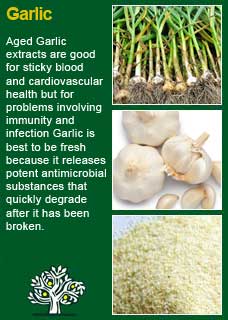
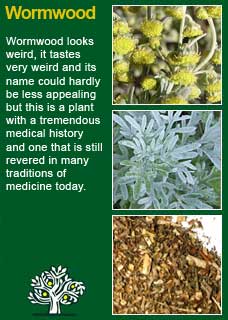
In summary, you need to start by weeding out the harmful organisms -- for most people the classic remedies of Garlic and/or Wormwood are the best tools for that job. The second step is to then seed in good bacteria. In practice in treating rosacea, I will often do a sustained course of a high dose of Wormwood; 4 capsules of concentrated herb once a day at night time, and a good dose of the best quality multi-strain probiotic I can obtain once a day in the morning. If the skin condition was bad to begin with and if progress is slow, we may do this treatment for up to 3 months before being able to honestly assess how much difference it has been able to make. There is more information written up on dysbiosis on the site here Note that for some people with rosacea, especially if they get a lot of indigestion or food sensitivities, it may also be important to improve the health of the upper digestive tract, in which case one of the best ways to help here can come from the great GI tonic; Gentian, more on this herb here
The ‘flush reflex’ is at its most extreme and most familiar to us when we are acutely self-conscious, i.e. blushing, but it occurs all the time for less dramatic reasons e.g. simply getting too hot too quickly will cause the capillaries, the tiny blood vessels in the face, to rapidly dilate with blood to release excess heat from the face. If those blood vessels are not sturdy enough then, in the process of being repeatedly or overly swollen, from any cause, they can get micro- tears and ruptures, which can to the broken blood vessels of rosacea. Many things can cause the facial capillaries to excessively flush; emotional stress, caffeine containing drinks, strong winds, strenuous exercise, excess sunlight, hot foods or drink etc. However much you feel your skin is better when you avoid things that cause you to overheat is some measure of how much the flush reflex is a primary cause for you.
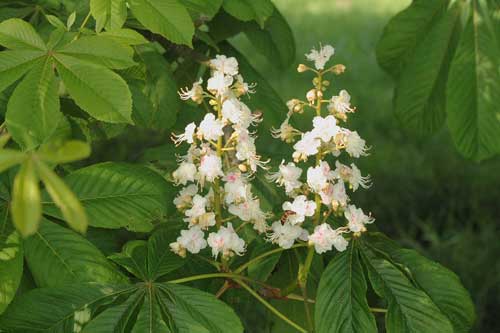
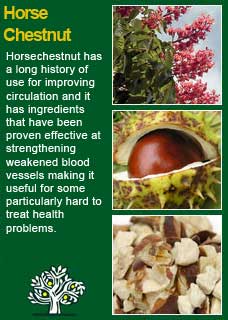
There are drugs that reduce the blushing/flushing reflex but the literature suggests that these have been used with somewhat limited success and they seem to come at a high price in terms of side effects. As well as trying to avoid triggers that cause excess flushing, there are two key medicines from Nature that may help heal the damaged capillaries. The first is the herb Horsechestnut, remarkably good at building up the strength of the blood vessel walls, read more about it, including suggestions re dosage etc. here
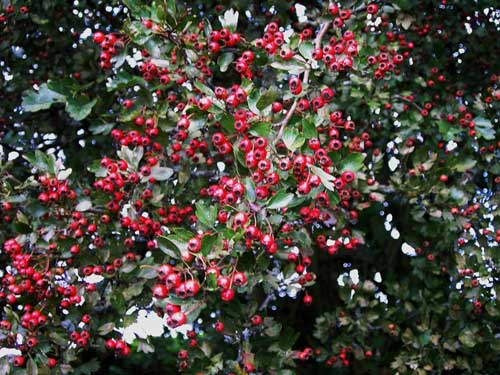
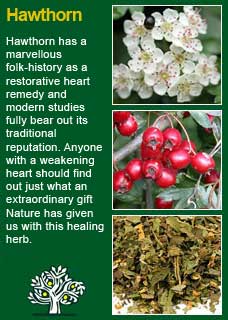
The second is the herb Hawthorn which is one of the safest and most reliable of all medicines at regulating and strengthening the heart, thus in turn helping to stabilise circulatory imbalances, more about it here. These two herbs have been seen to be of much help to some people with rosacea but you cannot expect fast results with them. A minimum of three months' treatment is necessary before you can assess if they are making a significant difference and then, if they are, you must carry on with them for as long as necessary. We make our own tinctures from raw material and, the right dosage being such a critical part of the success of any herb or drug, it is impossible to equate how much we give to another product but, by way of example, a typical treatment program with these herbs might look something like
The Licorice is there for taste and to make it easier to digest the Horsechestnut in particular, someone with an aversion to Licorice could use Peppermint or Fennel extracts instead. This formula would make 560mls, which will just fit into a 500ml bottle. A typical adult dose would be 10mls once a day. This amount of medicine would take 2 months to complete, whereupon I would recommend at least one repeat to give it all a proper try. In other words, I would do a 3-4 month treatment of these herbs to see how much difference they could make.
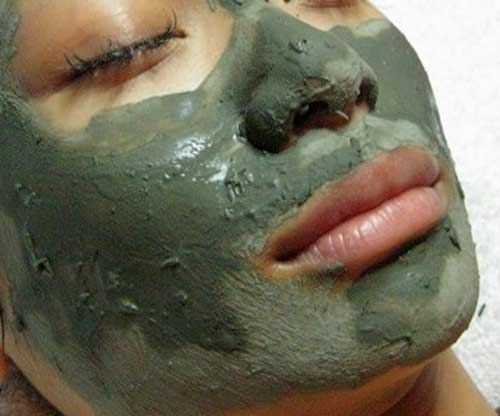
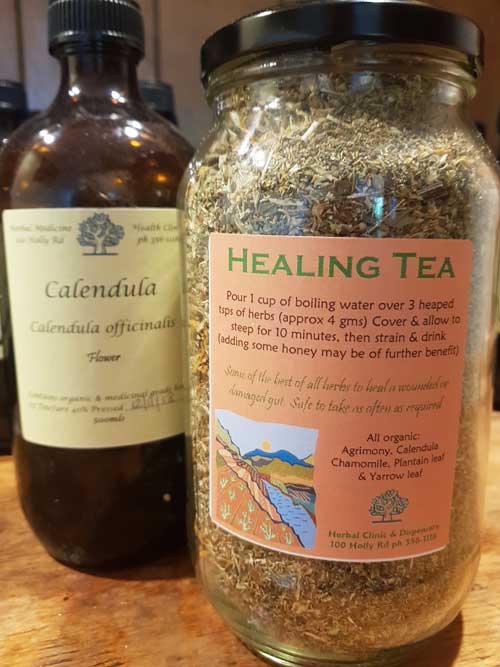
Using a clay mask two or three times a week may help rosacea, Clay is cooling, cleansing and can be very healing to damaged skin, it is talked about in more detail as an important part of treating acne here Clay masks may be especially helpful if a person tends towards an oilier skin complexion however, if they tend towards much drier skin, then they may get more benefits from using products such as coconut oil, or rose-hip oil, to nourish and protect the skin. If the skin is simply getting too hot, then regularly use cool compresses over the face. These are done by wetting a face-cloth in cold water, either from the fridge or with added ice, and placing over the face until the cloth has absorbed the heat from the skin. Cold compresses have been a game-changer for some people with rosacea because they are able to reduce the inflammation to a level where the body can heal itself, cold compresses can be safely repeated as often as required. To take it a step further, it is possible to make a tea with one or more of such healing herbs as Calendula, Yarrow, Plantain or Chamomile and then placing the strained tea in the fridge until it is ready to use as the liquid for the cold compress.
In practice, I will likely use a combination of If the patient significantly improves on this broad-based treatment then we have the happy problem of not knowing if one part of it was more important than another, or whether they needed all of it to get a shift in their condition. Stopping one thing at a time to see if the condition gets worse again is simple enough to do but, if it stays well, then everyone is none the wiser about what helped, and I have never had a complaint about that!
However, nothing works for everyone and rosacea can be a hard condition to help in some cases. My general approach is that, if things are not at least 30% better by the time we have done 3 months of treatment that I will suggest that they go to a plan B of using a long-term course of antibiotics whilst taking a daily course of a cup or two of healing tea to help prevent damage to the gut lining and, a once a day dose of the best broad-spectrum probiotic available. No-one wants to be stuck on antibiotics but, if they work and the harm can be somewhat reduced, it may be a better alternative to a worsening condition on the face.
Finally, you might benefit from learning about your constitution to know what kind of foods, herbs, exercises etc. will work especially well for your health in general.
Please understand that I cannot personally advise you without seeing you in my clinic. |
|


 TOP
TOP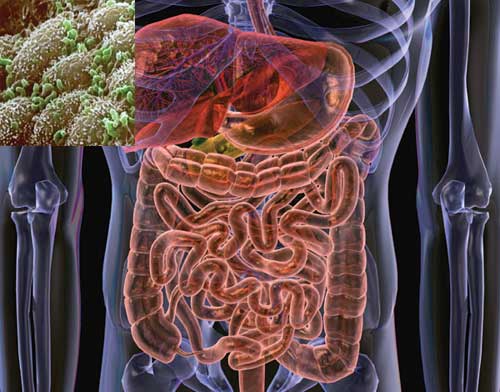

|


© 2011 R.J.Whelan Ltd