

 |
|
|
||||||||||||
Our Pages
ABOUT CONSTITUTIONAL MEDICINE
|
The treatment of arthritis with a natural approach takes time and commitment, but if the person is ready to put in the work then, despite the widespread view that joint degeneration is a one-way street, past experience suggests that it is highly likely they will get a great deal of benefit. I've been in full-time practice since 1989 in Christchurch. In that time, many people have come in with all kinds of arthritis at all different levels of severity. Each case is different and needs an individualised approach but there is also much common ground between people and there are some general suggestions given later in this article that may have the potential to benefit anyone. Firstly however, from the clinic files, the following cases histories are shown to illustrate some of one practitioner's approach to this common and potentially debilitating condition.
Beris was my first ever 'patient', if I can call her that. Early into my studies in Australia in the1980s she called me from Christchurch with the news that she was scheduled to have a fairly major operation within the next couple of months. As it just so happened, that very week I had been reading and learning about a certain herb that was thought to be able to help with what was ailing here and I convinced her to try it for 3 months before going ahead. The problem resolved itself, and she never ended up having the surgery... Anyway, there are numerous notes and pages in her file and, with her permission to share something here, I've taken out the one on her 'arthritic knee' from about 10 years ago, . She had been doing a lot of hiking and her knee had become very sore and swollen and was not sorting itself out but rather staying stuck and getting steadily worse. Unbeknownst to me (she's naughty that way) It had been bad for months when she finally went to her GP who diagnosed osteoarthritis and prescribed the usual anti-inflammatories. So far, so normal. I wonder how many people around the world go through the same kind of experience and diagnosis every day, and how many of them fill their prescriptions and immediately start taking the drugs. Surely the vast majority do exactly that, after all, who could blame anyone for wanting to make such a thing go away as quickly as possible, and no Doctor is going to tell them that the evidence suggests their condition is more likely to worsen if they use drugs than if they let the body heal itself... Anyway, not being at all fond of taking drugs and knowing someone who might be able to help her in a different way she (finally!) came in to see me at work where I tape measured her sore, red knee, finding it to be nearly 4cm more swollen than her good one. We used the following
We make our own tinctures from organic dried herbs, so it might be important that you understand that the optimal dose range will vary with different preparations made by different companies or practitioners, The above liquid extracts were combined into a formula to make 540mls. This will just fit in to a 500ml amber pharm round bottle and is enough to last 4 weeks, if taken at the maximum safe and effective dose of 10mls twice a day, which is what we used.
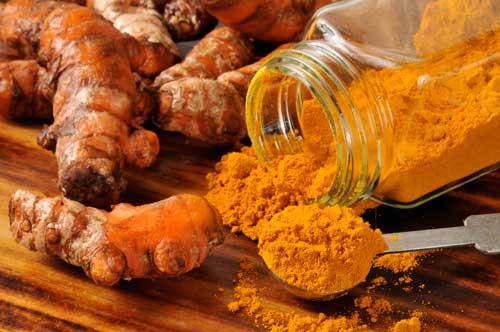
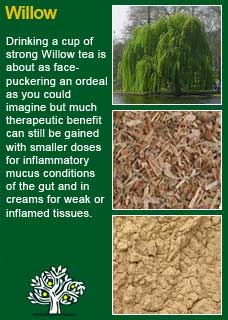
We import dried, concentrated extracts of Turmeric root and Willow bark and send them to a local company to be processed into capsules. These two herbs are some of the best medicines in all of Nature to help the body work through inflammation without interfering with the healing process. Both herbs are highly concentrated so quite modest amounts can sometimes be ample but, if things are bad, at least to begin with, I often recommend the very high dose of 4 capsules twice a day, which can then be halved as soon as things have much improved.
2 capsules twice a day. Cayenne is talked about further below under general recommendations. When you look at what some people have to do in the case histories on this site, i.e. their 'work' you might think Beris got off lightly because she's my mum! You're not wrong but really, she has a very healthy lifestyle, her only real sin being she's a bit underweight and should eat more...ha! What she had to do was There is every possibility that, if she had taken drugs and so been able to keep walking, hiking etc. that her condition would have steadily worsened until she was facing another surgical option. Instead, she took herbs and gave her knee plenty of rest, warmth and love. It completely healed up, and quite quickly too, so say my notes. She has needed to repeat this treatment program a couple of times over the years, but it always works, and she soon bounces back (see her email to me at the very end of this page for a final word on this)
Scott came to see me when he was in his late 20s. He had been a competitive skier in his teens and early 20s and had travelled between the hemispheres to live in perpetual winter for 5 years. My notes record him saying 'I destroyed my knees on moguls'. This arduous aspect of the sport, where you are racing on terrain that is steep and super-hilly, had put tremendous strain on his knees. He took, in his words 'mega-doses' of anti-inflammatories during the day and would then put his knees on ice at night. I'm not sure how true this is but he said, 'everyone did it'. By his mid-20s Scott had to stop skiing. He was in the kind of chronic pain that couldn't be helped with non-steroidal anti-inflammatories. His Doctor, thankfully, was not prepared to start giving him cortisone injections so he could keep going, nor opiates with the dependency and addiction that would have certainly entailed. He was officially diagnosed with osteoarthritis in both knees and was told that, as he was far too young for knee replacements, he would have to manage the pain with anti-inflammatory drugs until he was old enough to get surgery. Scott was a Tiger constitution, I will say something more about that later, and his tongue and pulse showed considerable signs of congestion. He ate a diet high in sugar and went on drinking binges at least 2 or 3 times a month. His blood pressure was slightly elevated at 140/88, his good HDL cholesterol was low, and his bad LDL cholesterol was high. His father was a Type 2 diabetic. In his athletic days, Scott had kept his weight at around 78-80kgs, when we met he was over 90kgs. He was bored in a job he hated, feeling utterly miserable about life in general and his knees in particular, which simply hurt all the time.
Dosage 10mls twice a day.
To further help the cleansing process we used a special tea. The details, for anyone who would like to know the recipe and instructions, are found here The first step in the healing journey is the one in which Nature can help us back to health. We come to a point where we need to ask for help and then these ancient allies, these herbs, are there to support and help us to get well. The first step was to take the prescription as shown above. The next step is what I call the 'work'. It is what the patient does to help themselves. Underlying all the old ways of healing is an understanding that all living organisms have the innate ability to self-regulate and self-repair, unless something is obstructing that healing intelligence. The 'work' is usually about doing something that helps to remove the obstacles that are getting in the way. Scott had the metabolic syndrome. In fact, he was born with it, as was his dad, in whom it had eventually turned into diabetes. Scott's slightly skewed blood pressure and cholesterol were pointers to it, as was his rapid weight gain once he stopped intensively exercising, as were the signs of congestion in his tongue (anyone interested in learning about the ancient art of tongue and pulse analysis can read a lot more about this here) and as were the elevated levels of inflammation in his body, something that afflicts many people with the metabolic syndrome, which in turn is something that Tigers can be particularly prone to. He needed to eat more fats and to go on to a very low carbohydrate diet to get well, but before we could safely do that his whole system needed a general cleanse, hence the prescription above, along with strict instructions to follow the cleansing diet as outlined here After one month, when we met for his 2nd visit, Scott was already feeling a great deal better. His pain had significantly reduced, and his mood had much improved. He was ready and motivated to go to the next step which involved radically changing his diet with the recognition that his genetic make-up was not at all well-suited for the modern diet high in refined carbohydrates. This whole subject is covered in depth in the article on the metabolic syndrome found here We kept going with a modified and reduced herbal prescription, adding 4 capsules of Turmeric & Willow bark a day and in fact, as the notes show, we only needed to meet two further times after this. On his last visit, approximately 6 months after we began, my records show that Scott was off all drugs, his weight was back to 80kgs, and that he was back to being, in his words, 'a happy man' Obviously, his knees were always going to be sensitive to stress and he would be most unwise to do any more high impact sports, but he was otherwise able to move and exercise without difficulty.
I mentioned above that Scott was a Tiger constitution, I didn't share that Beris happens to be an EB, an Elephant/Butterfly. This ancient way of understanding our differences, according to how we are naturally either hotter or cooler, and at the same time dryer or damper, underpins much of the understanding and approach of what kinds of foods, herbs etc, will best help a person. I shared the above two cases because of how close one is to me and how memorable was the other's degree of damage, and positivity of response, but they are also somewhat representative, i.e. many Tigers have the metabolic syndrome and need help with cleansing, many EBs need warming herbs, rest and nourishment to get well. I need to mention that the other two constitutions, Eagles & Bears, are also certainly vulnerable to getting osteoarthritis. Eagles can be especially prone to food allergies or intolerances, as well as doing poorly on excess sugar, as well as often suffering from excess wear and tear from not getting enough rest! Bears equally need to be carefully screened for food intolerance and, equally, the health of their gut can be playing a pivotal role when they are getting excess inflammation in their joints. Cooler constitutions, i.e. Bears and EBs, may benefit the most from internal and/or heating therapies as described further below. Hotter constitutions may get the most benefit from the cooling effects of cleansing diets and herbs. But those are just some very general guidelines, not rules, nevertheless, this old way of understanding our differences is of great practical benefit in treating something as complex and chronic as osteoarthritis and there will likely be much benefit, if you, or someone you care for, are having troubles in this area, to learn more about the general subject of the constitutions starting here, and then look into working out which constitution you are by going here
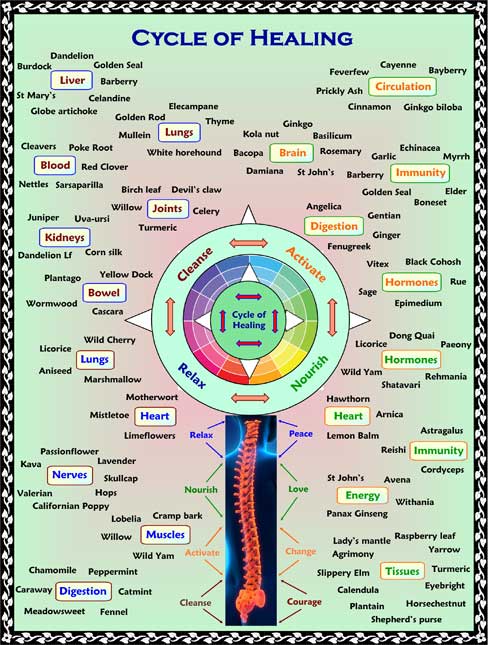
After getting a sense of whether a person is naturally cooler or hotter, dryer or damper, the next level of knowledge to take the kind of personal approach that can be essential to a great result is to look into the healing cycle. This is a fascinating subject in itself and understanding it can give great insight into what needs to be done to treat the cause and help healing happen naturally. There are four stages in the cycle; cleansing, activation, nourishment and rest. Before I put the link for anyone who wants to learn more, I want to say that I fully recognise that many people are not ready to take the kinds of steps you see being talked about in the case histories above or in the general recommendations below. They would rather use prescription drugs and get on with their lives with as little disturbance to their habits as possible. Yes, probably, if there are underlying issues that aren't being dealt with, there will be further trouble to come, but none of us are getting out of this alive no matter what we do and I deeply believe that people should choose their own paths as much as they possibly can. To learn more about the cycle of healing read here
I trust that you will understand that the holistic treatment of osteoarthritis requires an individualised approach that works alongside the person wherever they are at and, as mentioned at the beginning, if your condition is very bad or you know you need some guidance in person, then I hope you will be able to find a good herbalist who will get involved and guide you to getting and doing whatever you need to get well. However, it also may be that the condition is not so severe, or even that it is but you just don't have the option of working with a holistic practitioner. In these instances, I want to share some general suggestions, starting with some reliably effective medicines from Nature, that are both safe and highly likely to help anyone that uses them patiently and correctly.
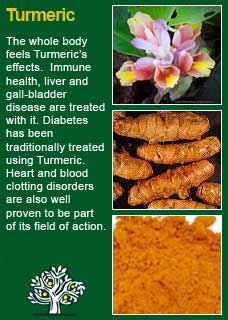
It seems that most people have now heard about Turmeric being good for inflammation and arthritis. It has become very popular and there are many products available with concentrates of Turmeric, usually standardised to show they contain a certain amount of curcuminoids, the main ingredient believed to convey its therapeutic effects. Many people report considerable benefit from taking Turmeric and, so long as it is used in substantial doses and for long enough, there is every reason to give it a proper go to see if it can help. Perhaps somewhat paradoxically, as we usually see anti-inflammatories as being very cooling substances, Turmeric is actually rather warming, as its use in curries and other foods demonstrates. I trust it is already clear that we don't sell anything online, I mention this because I want to say something again about the product I described in the case histories above, whereby we get concentrates of Turmeric & Willow and combine them together. These herbs are widely available and not expensive to obtain, so you should be able to get something similar. Willow bark has wonderful anti-inflammatory properties of its own, plus it is most certainly a cooling herb (think about the gentle weeping willow tree by the sides of a flowing river to get the sense of that) and it combines particularly well with the heating Turmeric to create a balanced duo. Some people report rapid results from using these two herbs, but it often takes longer to see a deep, lasting benefit. My advice is to take them in generous amounts for at least a few weeks to give them a fair trial.
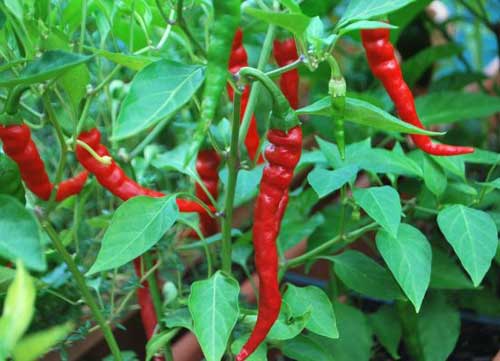
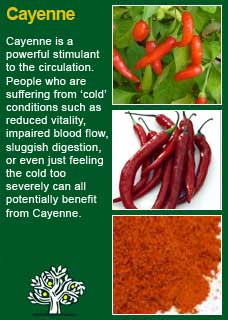
I am sure that both Turmeric and Willow are safe, appropriate, and worth trying for anyone who is being troubled by osteoarthritis. Cayenne is a third herb that may be generally recommended but is probably only likely to be of much benefit to someone from one of the cooler constitutions. That said, it is a powerful herb that has been seen to help some particularly difficult conditions. The only way to know for sure in the case of Cayenne is to take a 'try and see' approach and, in the matter of giving it a 'trial', you must be crystal clear that you will need to find an optimal dose to truly know if it can help. I cannot advise you on a product without seeing you in person, so what follows is merely by way of example whereby in our clinic we use capsules of pure Cayenne powder and start people on about 2 or 3 capsules a day and then advise them to see how their body feels at that level and to be prepared to add one capsule every couple of days to see if they get an improved effect or whether their body tells them it has had enough. The maximum dose we go to is 4 capsules twice a day. The gradual build-up of the dose is for three reasons. Firstly, to get the body used to it, secondly to check for tolerance to it and thirdly to try to see at what level it seems to be helping. If you are taking too much you then you may get excess feelings of 'heat' in your body. This may be a literal feeling of being too hot or it may feel like a kind of agitation, like you are being too stimulated. If this happens it does not necessarily mean it is the wrong herb for you, just that you are having a little too much of it. Go back to a smaller dose and continue to observe to see if it is actually helping the arthritis overall, more about this process and about Cayenne in general here
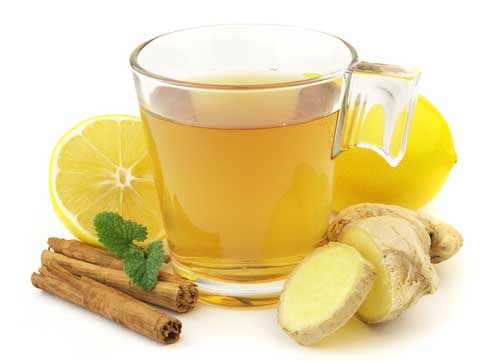
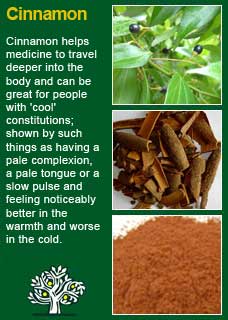
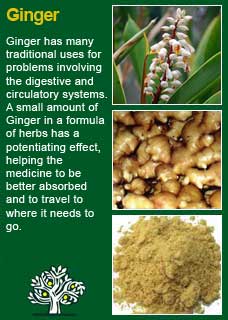
Maybe the person with the arthritis is a cool constitution but Cayenne just doesn't agree with them. Or maybe they are a hotter constitution and it wasn't a good fit to begin with. In either case, or even if it might be preferred for its own virtues, Ginger has a well-deserved reputation for helping with arthritis, There are many ways to get Ginger into the body, and most of them are rather pleasant! One example, and a way to get a high dose of it in a palatable and most economical way is to make a decoction as per the recipe below. Cinnamon is included here as it has its own warming therapeutic benefits, but it is no problem to leave the Cinnamon out if it is not a herb to your taste.
Add the chopped ginger with a slightly broken up piece of cinnamon stick to 1½ cups of water. Bring to the boil then gently simmer for about 5 minutes. Take off the heat, squeeze in ½ the lemon and then strain through a fine sieve into a cup. You should have reduced the water to a little less than a full cup. Add the honey and drink whilst still hot to warm the body and soften the joints! You can also read more about Ginger here
The quality of our food plays always plays a pivotal role in our health and, if a person has osteoarthritis, at the very least it will be wise to carefully consider if diet may be part of the issue. If so, it will likely fit into one of three areas; summarised below. For some people, too much sugar in the diet (usually in the form of bread, pasta, rice, corn, potatoes etc.) can lead to a cluster of problems, which include elevated levels of inflammation, in something called the metabolic syndrome. This was highlighted in the case of Scott described above. Having the metabolic syndrome is genetic, you're either born with it or you aren't, but it is possible to entirely cure it by having the same kinds of foods we ate during our long evolution as hunter-gatherers. It takes time, effort and motivation, but it the person does it right they can feel like they are eating like a King or Queen. This article on the metabolic syndrome is again linked here
Like the metabolic syndrome, this certainly doesn't affect everyone however, anyone who has chronic arthritis must be aware of the potential for an undiagnosed food allergy or intolerance to be driving an inflammatory process deep into their joints. For example, a small percentage of people with arthritis have allergies to members of the nightshade family, i.e. tomatoes, potatoes, peppers and, as they get better when they avoid these foods, it has somewhat entered popular awareness that nightshade foods cause arthritis. Strictly speaking, this is not at all true for the great majority of people, but if you are intolerant to nightshade family foods then they certainly will be a problem. Gluten containing grains, i.e. wheat, barley, rye and oats, are a much more common source of food intolerances, as are dairy products, eggs and tree-nuts. If a person has any childhood history of eczema or asthma and has then gone on to get early-onset arthritis, then some significant food intolerances must almost be assumed to be a part of the problem. If they get recurrent digestive disturbance and allergic 'shiners' (dark rings under the eyes) it needs to at least be considered. Subjects including the 'elimination and challenge method' of removing foods and then re-introducing them, the difference between allergy and intolerance, accurate vs. bogus testing and how food intolerance may be cured are all discussed in detail here
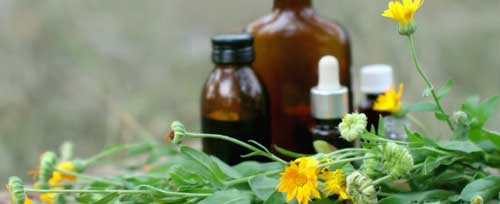
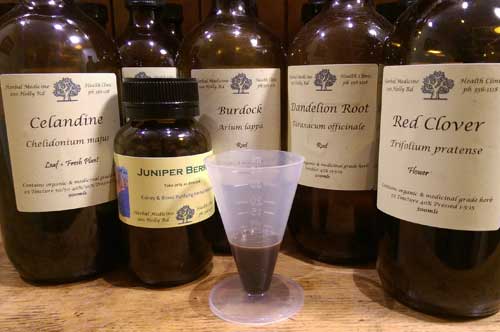
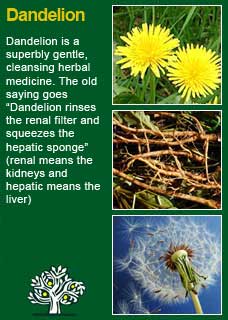
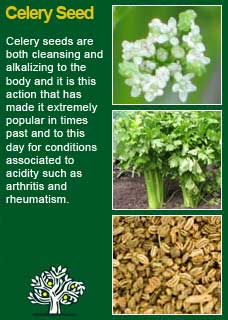
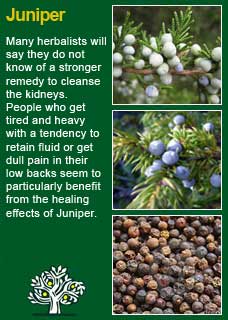
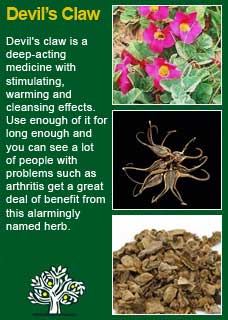
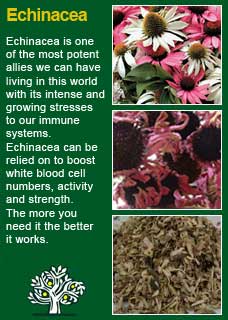
Lastly, as all the deep traditions of natural medicine attest, and I can personally recount from my own work with many, a successful treatment plan for osteoarthritis may need at least some emphasis on cleansing. When a joint is breaking down faster than it is able to repair itself, a considerable part of the problem tends to be the debris that accumulates in the affected area. However much the blood can carry the debris away, the better the joint feels and functions, the less debris it can carry away (e.g. from being too cold, or too inactive, or from their already being too many waste products for the system to process) the worse it feels and functions. A clean, alkaline, easy to digest diet is central to effective cleansing, as are some key herbal medicines. You can see some of my own favoured cleansing herbs in the sample prescriptions above and in the picture below. There are others that, no doubt, will be different favourites for different practitioners but all these are very well known, widely available, and well-tested by time. If this is an area that you need to explore further then, when you are ready, read the article called 'what is detoxification'. It talks about how you can know if you need to do internal cleansing, along with the kinds of foods and herbs that can reliably help, it's found here
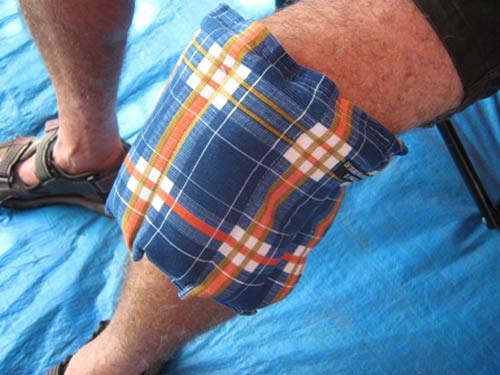
Around the world, and throughout history, heating measures have been used to relieve pain in the joints and many people instinctively reach for a method to get heat into their joints to ease their pain. Understanding why this is requires us to understand that inflammation is not a catastrophic event that must be subdued at any cost and to recognise that swelling and inflammation are the body’s attempt to resolve an unhealthy state of affairs within the joint. Heating treatments at first seem a weird thing to do when there is inflammation, theoretically it should make things worse rather than better however, the increased blood flow adding heat (or from massage or movement as talked about shortly) brings about a ' therapeutic inflammation', achieving painlessly what the body has been struggling to create with pain, swelling and disability Some of the best Internal herbs to 'fight fire with fire' were summarised above; Turmeric, Cayenne & Ginger. Some further well-known methods of getting heat directly into the joint include:
However, most people with any kind of osteoarthritis that is of a chronic nature respond positively to heating measures and you can tell it is helping straight away because pain is lessened, and mobility is increased. In some cases, it will be best to use a combination of heating and then cooling strategies. This is where you follow up a hot wheat bag, or a hot compress, or simply bathing the body or an affected limb in hot water, with a cold ice-pack or a cold compress; made by placing a hand towel or other cloth into water from the fridge or to which ice-cubes have been added and then the wet fabric placed against the skin until the heat comes out of the body and the compress has warmed. How you might know when to focus mostly on heating therapy or when to also employ ice-packs etc. will be strongly influenced by whether you are a hotter or a cooler constitution. Hotter constitutions will particularly benefit from some heating plus plenty of cooling treatments whereas cooler constitutions will definitely need more help with the heating phase and may not need cooling at all.
These ideas have already been introduced above, now let's develop them a little further. Arthritis is an inflammation of the joint meaning, as the word inflammation suggests, that there is a flame within. Too much heat creates swelling, pain and damage and, by their nature, anti-inflammatory drugs are extremely ‘cooling’ and so take out the 'heat', i.e. pain, swelling etc. Therefore, given this:
Given the nature of inflammation, one would think that an arthritic joint would feel better in the cold and that it would be better off without any heat-creating movement but this is clearly not the case. When the blood is not moving, and the person has effectively become too cold, they are prone to getting what is known in the old traditions of medicine, as ‘stuck heat’, because at those times it is much harder for the blood to circulate around the joint, carrying away the painful chemistry that is a by-product of inflammation. Using heating strategies to fight fire with fire, as described above, can go a long way to help. Sometimes, also, it will be most helpful to either massage or move the joint to free the 'stuck heat' For massage, the right oil, cream or liniment is of little importance compared to the actual mobilising of the joint by moving everything around. Most people will need to massage their own affected joint or joints most of the time, but if you are able to get some hands-on help from someone who cares for you then you are a deeply fortunate person and you must know that the secret to great massage is feedback. The person who is receiving it must say 'harder, softer, faster, slower, a bit to the right, up, a bit deeper' and so forth until they get it just right. This actually makes it much easier on the giver as well, because when they do it 'just right' it takes far less time and effort for them to get as good a result as they can. In terms of movement, if you have arthritis then you are going to need to be a wise about this. Too much will make it worse, too little will make it worse. No-one will ever be better than you at gauging the level that helps rather than harms, but you will have to listen to your body to get it right and, if you are taking drugs so you can't feel what's going on that may be next to impossible... hence the next section.
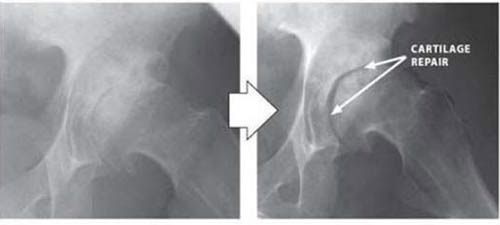
The long-term conventional treatment of osteoarthritis involves substances called non-steroidal anti-inflammatory drugs (NSAIDS). Steroidal injections or pills may also be temporarily used in advanced conditions. Such drugs may be necessary, especially in the short term, to bring down a level of pain or immobility that is simply unacceptable however, real problems can arise when these drugs are used long-term. Some of the side effects of aspirin and other NSAIDS, e.g. voltaren, indomethacin, naproxen and ibuprofen, are well known, they include headaches, dizziness and indigestion and more serious dangers such as ulcers and internal bleeding. What is hardly known at all is that experimental studies have shown that NSAIDS inhibit cartilage synthesis and actually accelerate cartilage destruction. In other words, these drugs can be expected to increase the rate of degeneration within the joints. In light of this, several studies have attempted to determine the ‘natural course’ of arthritis whereby scientists have sought to determine what happens when people with osteoarthritis are given no treatment at all. One group of researchers studied the natural course of osteoarthritis of the hip over a ten-year period. At the beginning of the study, all subjects had x-ray changes suggestive of advanced osteoarthritis, yet many of them reported significant improvements over the decade. X-rays confirmed these improvements, including a complete recovery in 14 of 31 hips. These results, and others, raise the real concern that medical intervention with anti-inflammatory drugs may actually promote the progression of osteoarthritis....
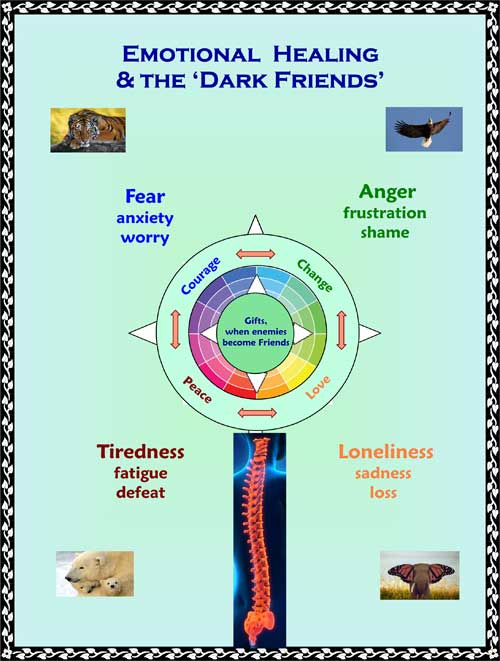
I've worked with many people who have gotten a great deal better from arthritis by doing things such as changing their diets, using herbs, using therapeutic heat, using movement or massage etc. I've also met plenty of people who aren't ready to start this kind of work, let alone sustain it for the months that may be necessary to turn things around. When I think about the why of that, the main thing I see a pattern of is that the ones who use drugs every day find it the hardest to get started, or go far, whilst those who don't use drugs, or only use them when things are intolerable, seem to be the ones who are ready to do whatever it takes. That probably makes it sound like I am really anti-drug, in fact I'm not, and who can blame a person who is in pain for taking drugs to get rid of it anyway? Walk a mile in their shoes and then decide if you are tough enough to soldier on by yourself... I don't know, and would never presume to know, how much someone's mental or emotional problems might contribute to their having arthritis in the first place, but what can be categorically stated for sure is that being in chronic pain has a terrible effect on a person's mood and mental health! It is no easy thing to be in pain, not ever, perhaps the hardest part about it is the fear that it brings. Fear that the pain will get worse or that it will never get better, fear that we might not be able to stand it. I can tell you, as a practitioner, that this is the hardest thing about treating osteoarthritis. It is the expectation that many people have that it will only get worse, and that it is essentially incurable. And, if a person has given up on their body's ability to self-repair, and they seem set or certain in their conviction that it can only get worse, then it may be unwise to start with a healing journey such as those described above. However, sometimes it is just fear that is getting in the way and deep down they still have an intuitive knowing within them that their body can heal and that their joints can get better, they just need help and can't do it by themselves. If it is fear that is in the way of getting started, then no-one should underestimate how compelling a roadblock that can be and, if this is a subject that you who are reading this need to delve into before you could commit to herbs, diet etc. then the best first step may be for you to start with some 'emotional healing'. This is a deep subject, obviously, and there are no quick fixes or easy answers in it, but if you need to face your fears and are ready to find a way forwards with them, then there is help to be had - start with the introduction to the chapter on the site called emotional healing, found here
Please understand that I cannot personally advise you without seeing you in my clinic.
From: Beris Whelan < > Last December, when I had not taken any Turmeric & Willowbark for about six weeks I walked from the bottom of Cashmere to the Sign of the Kiwi and could hardly walk for arthritic pain for weeks! So, back onto the Turmeric & Willow, today I did exactly the same walk - three hours in total - and have hardly felt a thing!!! Yeah!! XXXXXXX B |
|


 TOP
TOP



|


© 2011 R.J.Whelan Ltd